



The research being done at The James Hutton Institute in Dundee — plant vaccines, disease-fighting light technology, stress memory in strawberries — sounds extraordinary enough in a laboratory setting. Later this month, it heads to a pub.
Scientists from the Hutton are among dozens of researchers taking part in the Pint of Science Festival, running in Dundee from 18th to 20th May. Now held in over 500 cities across 27 countries, the festival began as a grassroots idea in 2012 when two scientists invited people affected by neurological conditions into their labs — and has since grown into one of the most effective science communication initiatives in the world. Dundee is, typically, punching above its weight as a host city.
Science That Matters, Made Accessible
The Hutton’s contribution to this year’s festival centres on three PhD researchers presenting at Futtle on Commercial Street on the evening of Tuesday 20th May. Their topics — developing vaccines for plants, using light to combat potato diseases, and how strawberries can remember stress — sit at the intersection of molecular biology, food security, and climate resilience. These are not abstract research questions. They speak directly to some of the most pressing challenges facing Scottish agriculture.
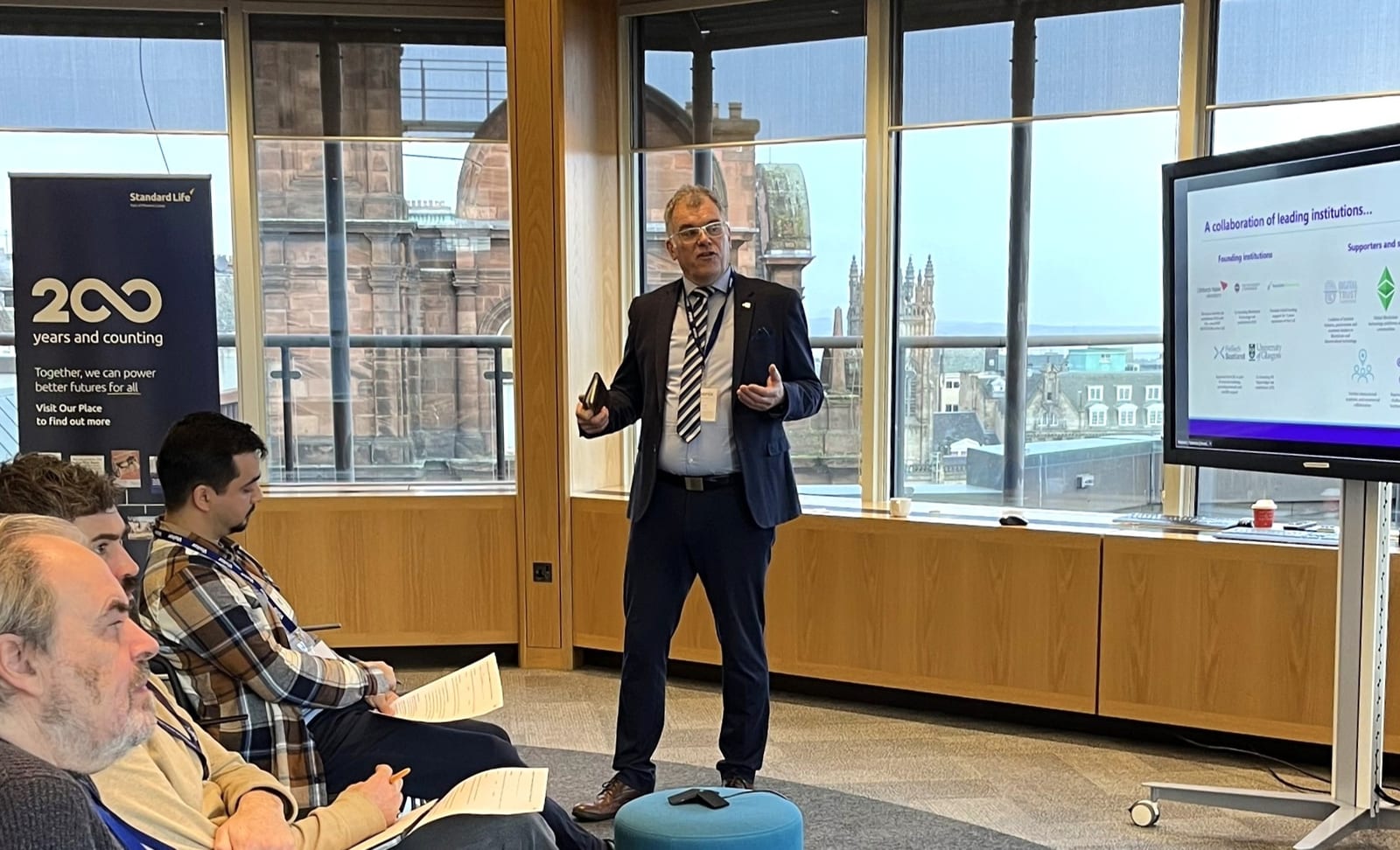
Bea Atkinson, one of the presenting PhD students who also helped organise the programme, was clear about why events like this matter: “Science is for everyone, and as researchers it’s our job to include everyone. Inclusivity builds transparency and trust in our work and that’s something at the core of this initiative.”
The Barley Hub and a £62m Tay Cities Investment
The deeper tech story here sits with the International Barley Hub (IBH), based at the Hutton and part of a £62 million investment through the Tay Cities Region Deal — a partnership between local, Scottish, and UK governments alongside private, academic and voluntary sector partners. Barley is Scotland’s most widely grown crop, and with climate change, environmental pressures and growing global demand all bearing down on production, the IBH’s work in genetics and breeding is becoming increasingly critical infrastructure for Scottish food security.
On Tuesday 19th May, Dr Sarah McKim, Deputy Director of the IBH, will present a talk on plant development, examining how advances in plant science can improve food systems and help prepare agriculture for a changing climate. It’s a subject that connects directly to the kind of applied research Scotland has been investing in across multiple fronts — from AI foundation models transforming environmental monitoring to Scottish scientists developing machine learning platforms to identify materials for net zero technologies.
Dundee’s Innovation Ecosystem in Context
The Tay Cities Region Deal has delivered real results. As of September 2025, over £232 million has been approved for investment, more than 5,300 jobs have been created, and the central government commitment of up to £150 million each from both the Scottish and UK Governments has the potential to lever in £400 million over 15 years — of which more than £258 million has already been secured. That scale of investment is reshaping Dundee as an innovation city, a shift also reflected in Scottish Enterprise’s £8 million commitment to a Dundee Life Sciences Innovation Hub and the £1.1 million funding secured for a Dundee innovation lab.
The Hutton’s presence at Pint of Science is a reminder that behind the funding headlines and deal announcements, there are researchers doing genuinely important work — and that Dundee remains a city serious about making that work visible.
Tickets for the Dundee Pint of Science events are on sale now at pintofscience.co.uk.