


Scotland’s space sector stands at a critical juncture, with Westminster MPs warning that insufficient government investment threatens to squander a “generational opportunity” to establish the nation as Europe’s leader in commercial satellite launches. The warning comes as the sector continues to demonstrate remarkable growth and international companies prepare for imminent test flights from Scottish spaceports.
The Scottish Affairs Committee’s report, published this week, highlights the stark contrast between Scotland’s technical capabilities and the competitive disadvantage created by limited public investment compared to European rivals. With five of the UK’s seven developing spaceports located in Scotland, the nation is uniquely positioned to capitalize on the rapidly expanding small satellite market, valued at £28 billion globally over the next decade.
Market Opportunity and Economic Potential
Scotland’s space industry has experienced extraordinary growth, with the sector contributing £7.2 billion in direct Gross Value-Added to UK economic output in 2022/23. The Scottish space ecosystem encompasses more than 180 organizations employing over 8,000 people, generating combined income of £298 million in 2021/22 – nearly double the figure from 2018/19. Industry projections suggest this workforce could expand fivefold by 2030.
The UK Space Agency has allocated over £106 million in grants to Scottish space projects over the past decade, while Highlands and Islands Enterprise invested £2.087 million into developing the Sutherland spaceport and provided £1.963 million in grant funding to rocket manufacturer Orbex. These investments have positioned Scotland as a global leader in small satellite manufacturing, with companies like AAC Clyde Space, Alba Orbital, and US firm Spire Global establishing operations in Glasgow.
Geographic Advantages and Infrastructure
Scotland’s northerly latitude provides crucial advantages for launching satellites into polar and sun-synchronous orbits, which are increasingly in demand for Earth observation and communication applications. The nation’s vast stretches of unpopulated land, particularly in the Highlands and Islands, offer ideal launch sites with clear northward trajectories over open ocean.
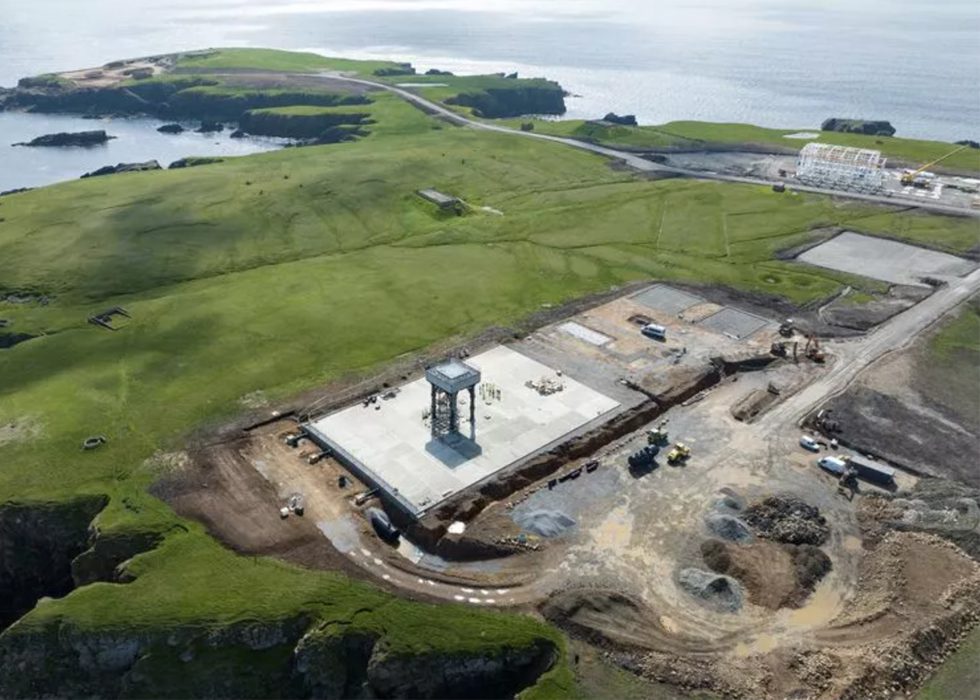
SaxaVord Spaceport in Shetland has emerged as the most advanced facility, becoming the first fully licensed vertical launch spaceport in Western Europe in December 2023. The facility can accommodate up to 30 launches annually and has secured contracts with multiple international rocket companies. Scott Hammond, CEO of SaxaVord Spaceport, welcomed the committee’s findings, stating: “I have been saying for a long time that government needs to up its game and get more fully behind the satellite launch sector”.
European Competition Intensifies
The urgency of the committee’s warnings is underscored by aggressive moves by European competitors, particularly Norway. The Andøya Spaceport in northern Norway received significant government backing of NOK 365.6 million and hosted Europe’s first commercial orbital rocket test in March 2025 by German company Isar Aerospace. Although the initial test ended in an explosion shortly after lift-off, the attempt demonstrated Norway’s commitment to establishing launch capabilities.
Professor Malcolm Macdonald of Strathclyde University, a leading space technology expert and Vice-Chair of the UK Space Agency’s Space Technology Advisory Committee, testified that the UK has not always sustained its “first-mover” advantage in the space launch sector. His observations highlight the risk of Scotland losing ground despite its early positioning in the European space race.
Industry Challenges and Regulatory Complexity
The committee identified significant structural barriers hindering Scotland’s space ambitions. Companies must navigate multiple government departments “often with limited communication or coordination between them,” creating unnecessary delays in an increasingly competitive market. The report calls for clearer definition of responsibilities within government and streamlined regulatory processes.
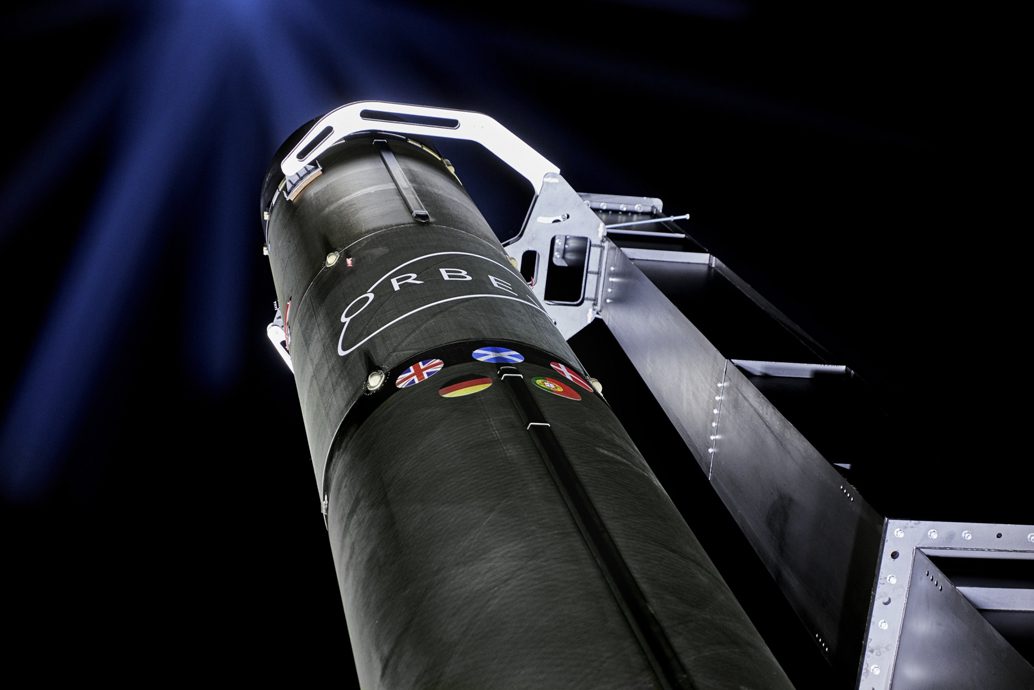
Recent setbacks have highlighted these challenges. Orbex, initially committed to developing the Sutherland Spaceport with a £20 million investment, announced in December 2024 that it would pause construction and relocate its first launches to SaxaVord instead. The decision followed construction difficulties including bog conditions that required road realignments and equipment recovery operations.
Path Forward: Investment and Strategic Coordination
Committee chair Patricia Ferguson emphasized the time-sensitive nature of the opportunity: “The economic benefits of this would be huge, but it’s a time-sensitive opportunity we’re in danger of missing. We’re urging the UK Government to commit to sustained financial backing of the sector”.
The report recommends the government move beyond “ad-hoc grants” toward long-term, coordinated investment strategies. Crucially, MPs suggest the UK Government should become an “anchor customer” of Scottish launch providers, purchasing services for both civilian and military satellites to ensure commercial viability.
The committee’s analysis reveals that while the UK spends 1% of global civil space funding, it captures 5% of the market, demonstrating the sector’s efficiency. However, this success masks the underlying challenge: European competitors are increasing their public investment at a faster rate, threatening to erode Scotland’s competitive position.
Industry Response and Future Outlook
The space industry has responded positively to the committee’s recommendations. Space Scotland, the sector’s representative body, recently appointed Dr Natasha Nicholson as CEO as the country prepares for its first orbital launches. The organization expects Europe’s first commercial launch into orbit to take place from Shetland in the coming months.
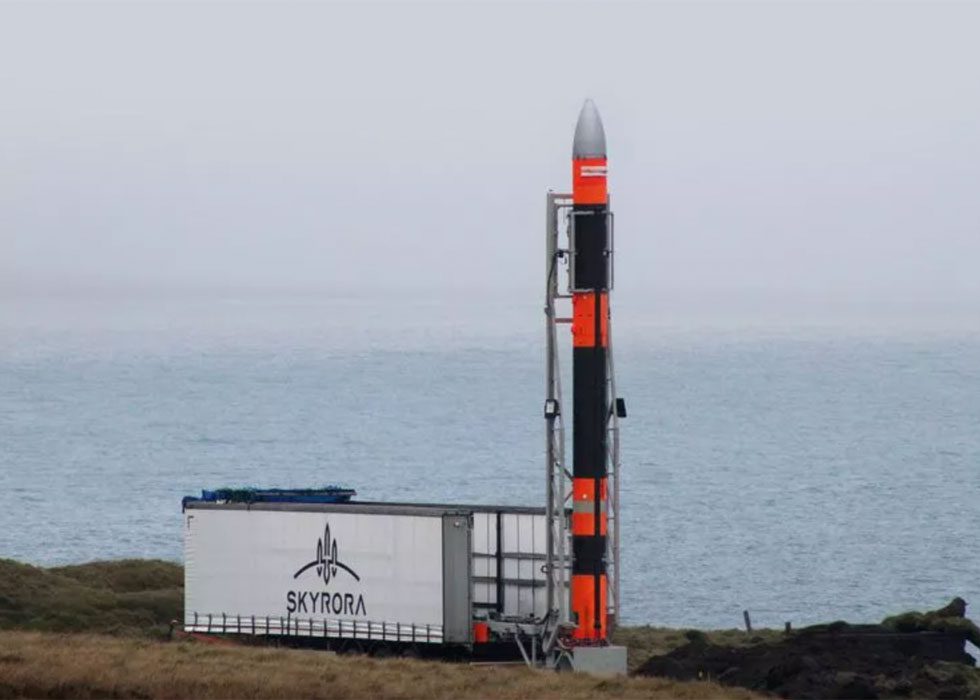
Scottish companies continue advancing despite funding challenges. Edinburgh-based Skyrora received the UK’s first rocket launch license from the Civil Aviation Authority in August 2025, permitting up to 16 launches annually from SaxaVord. German company Rocket Factory Augsburg also holds launch approval and expects to conduct test flights from the Shetland facility.
The committee’s report concludes that without sustained government backing, particularly in infrastructure development, “Scotland risks missing a generational opportunity to lead in space launch”. With international competitors accelerating their investments and launch timelines, the window for establishing Scotland as Europe’s space gateway may be narrowing rapidly.