


by Katie Aghabala, KPMG UK
Scotland is carving out a bold identity in the global space economy, and it’s doing so at pace.
Costs are dropping, tech is getting smaller and smarter, and like the internet in the ’90s – early adopters will lead.
So, why Scotland?
With more than 180 Scottish companies investing in the space sector and the Scottish Government aiming to become the world’s most sustainable spacefaring nation by 2030, with an ambition to capture £4 billion of the global space market, Scotland is positioning itself as a launchpad for innovation and long-term growth in the sector.
According to the UK Space Industry Report, Scotland’s space sector is already generating £381 million a year – and with forecasts from the Royal Society of Edinburgh suggesting it could be worth up to £4 billion and support 20,000 jobs within the next decade, the scale of opportunity is clear. And opportunities are only growing, from in-space manufacturing to space-based solar power, the next three to five years will open doors for non-space companies to partner, innovate and grow.
But momentum alone isn’t enough. If Scotland is serious about leading on the global space stage, it must continue investing, not just in infrastructure, but in the entrepreneurs, talent and partnerships that make progress possible.
Only then can we overcome the sector’s scaling challenges and become a blueprint for innovation-led growth.
Turning promise into progress
Space is already part of our life and has real world impact. Space is infrastructure, and space is strategy, with data helping with sustainability, supply chain resilience and digital transformation. And with the UK space sector having grown by 300% in the past decade, the pace of disruption is only accelerating, creating opportunities. KPMG’s recent report, +Space: Infinite Horizons, highlights how this wealth of opportunity is driving innovation across multiple industries and reshaping the energy, healthcare and manufacturing sectors.
But for all its momentum, the space sector is still maturing, and significant hurdles remain. High costs, complex regulation and intense international competition make it difficult for firms to scale at speed. Accessing the right talent and maintaining investor confidence are also ongoing challenges.
That’s why Scotland must not take its foot off the accelerator. A sustained pipeline of support from government, academia and industry is the difference between incremental progress and transformational growth.
The good news? Scotland already has the ecosystem in place to meet the challenge.
MACH-25: More than just a launch
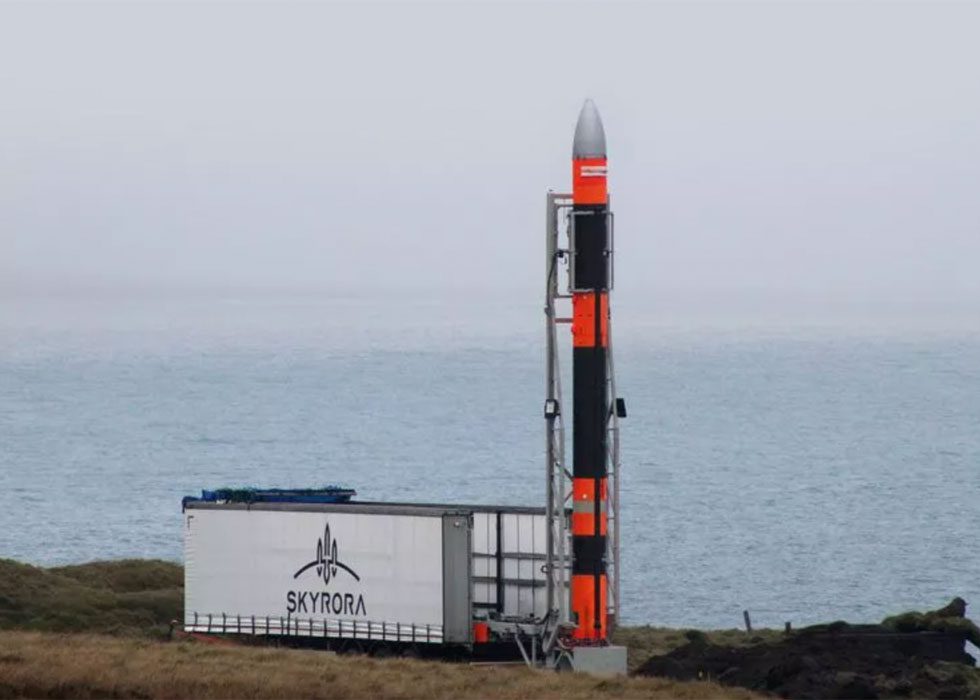
Take MACH-25. This summer’s student-led rocket and mini-satellite launch competition at RAF Machrihanish in Campbeltown was a powerful example of ecosystem collaboration in action. Backed by the Machrihanish Airbase Community Company and aerospace partners, it gave students hands-on experience in satellite design and rocketry, helping to inspire and train the next generation of space talent.
It’s not a standalone effort. Formal initiatives like the University of Strathclyde’s Scottish Space School are introducing young people to careers in engineering and space science, while the Bayes Centre at the University of Edinburgh is nurturing start-ups across space data, robotics and AI. At the same time, industry-led groups like the Space Scotland Skills Advisory Group are ensuring skills training aligns with employer demand.
These are exactly the types of coordinated efforts that will allow Scotland to build a resilient, future-ready space workforce.
The building blocks are in place
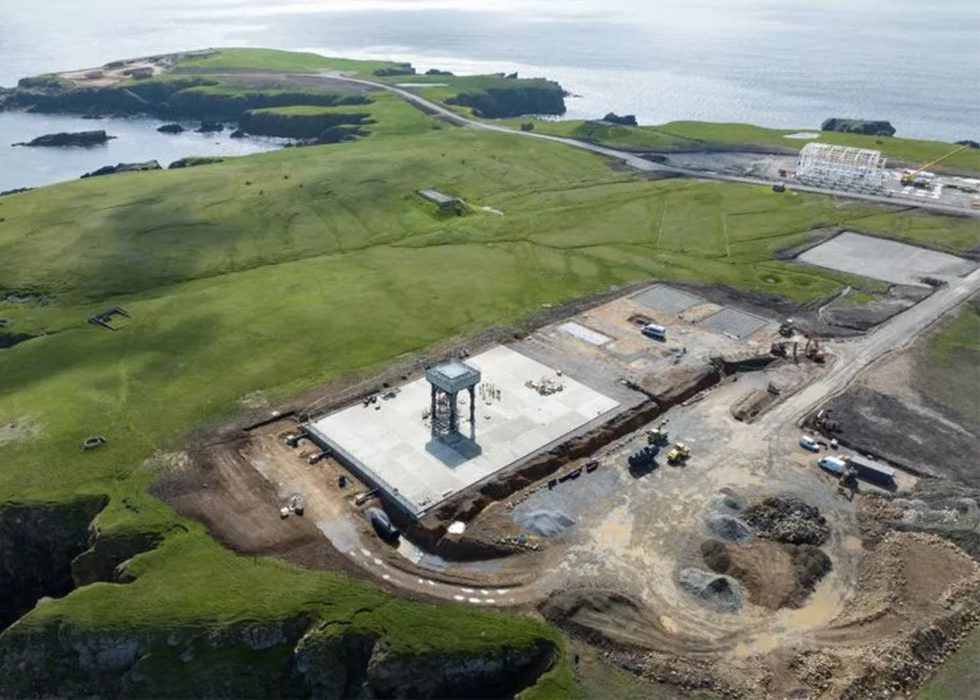
Scotland’s infrastructure tells the same story. Prestwick Spaceport produces more small satellites per capita than anywhere else globally, powered by a local cluster of aerospace manufacturers and precision engineering firms. Alongside SaxaVord Spaceport in Shetland and Sutherland’s Spaceport, these sites form a network of strategic launch hubs underpinning the UK’s broader ambitions in space.
At KPMG, we’re supporting clients across the space sector from early-stage ventures looking to secure investment, to established firms navigating growth and overseas expansion. Our multidisciplinary expertise can help navigate the unique challenges and opportunities presented by the space economy.
According to our latest Private Enterprise Barometer, 70% of Scottish businesses plan to invest in AI this year, with more than half viewing technology as key to their future success. As space and technology increasingly converge, and with the right partnerships in place to support entrepreneurs, Scotland is well-positioned to lead in both arenas.
Looking ahead
Scotland has the infrastructure. It has the talent. It has the ambition. But continued support is what will define whether we simply keep pace or set the pace globally.
To truly become the world’s most sustainable spacefaring nation, Scotland must double down on what’s working: back its entrepreneurs, invest in the next generation of talent and strengthen the partnerships that power progress. Start small: explore partnerships, pilot projects or internal innovation teams focused on space. Reframe space as a business platform, not a distant dream.
The trajectory is set. Now we need lift-off.
Katie Aghabala is a Partner at KPMG UK.