

SpaceX’s IPO has landed as the largest stock market debut in history, raising about 75 billion dollars at 135 dollars a share and valuing the company around 1.75 trillion dollars on day one. Trading on Nasdaq under the ticker SPCX, the stock opened higher in early dealing, underlining intense institutional and retail demand for Elon Musk’s space and satellite giant. Analysts had flagged for months that a listing of this size could jolt a sluggish IPO market back to life, and early flows suggest money is rotating out of other tech holdings to make room for SpaceX in portfolios.
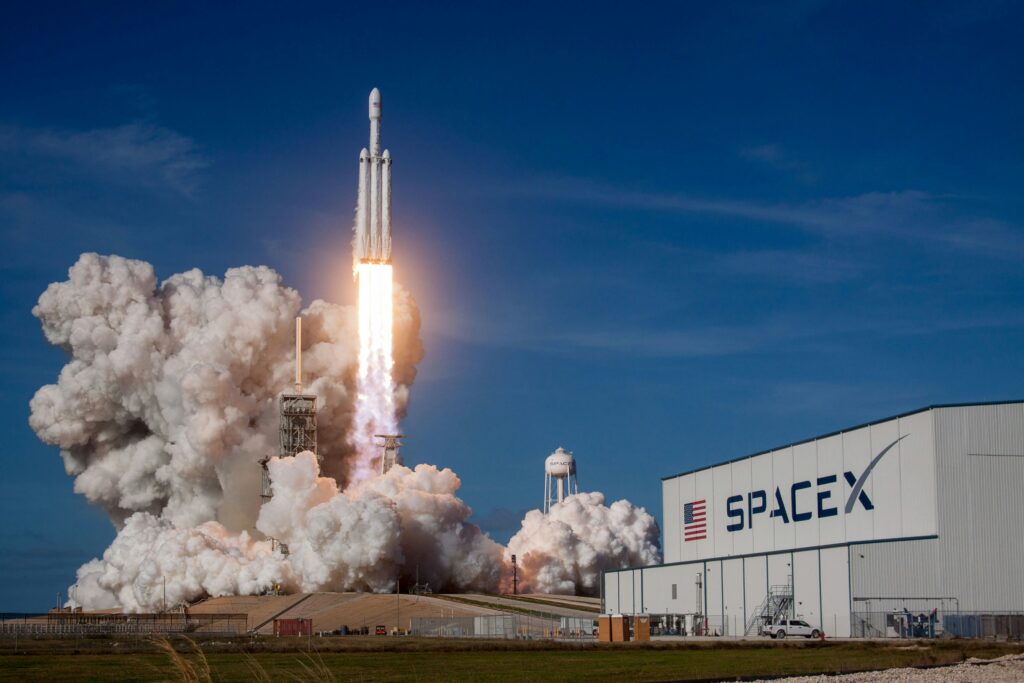
The offering crystallises Musk’s two‑decade bet that radically cheaper launch costs would unlock an era where space becomes core infrastructure, not a niche government domain. NASA‑linked analyses put shuttle‑era launch costs at around 54,500 dollars per kilogram to low Earth orbit, compared with roughly 2,700 dollars per kilogram for Falcon 9, implying about a twenty‑fold reduction, or roughly a 95% cut in the price of getting mass to orbit. Musk and his engineers are now aiming to push costs down again with full‑reusability on Starship, targeting another order‑of‑magnitude drop that would make space access comparable to a high‑end logistics problem rather than a one‑off national project.
For the wider tech world, this IPO is likely to reprice anything touching space‑based connectivity, AI compute in orbit, and satellite data platforms. On one hand, SpaceX’s new war‑chest and public currency could “supercharge” the broader space industry by drawing capital and talent into launches, satellites, and space‑powered AI services. On the other, its sheer scale may starve smaller space and satellite startups of funding as investors crowd into what they now see as the category‑defining platform.