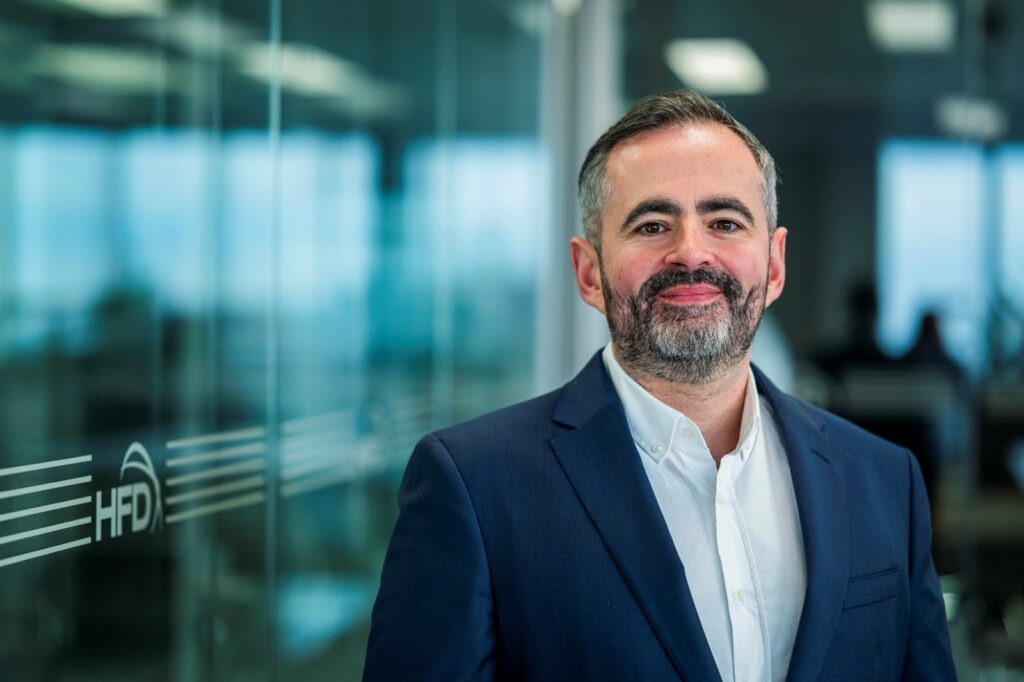


The invitation aims for direct discussion amidst calls for data centre moratorium
DataVita has extended open invitations to Ross Greer MSP, co-leader of the Scottish Greens, and Dr Kat Jones, Director of Action to Protect Rural Scotland (APRS), for visits to its Chapelhall data centre campus in North Lanarkshire. The invitation to Mr Greer also includes his co-leader, Gillian Mackay MSP. Both letters welcome colleagues, including planning and technical advisers, with visits offered at a convenient time for the recipients. The Scottish Greens are expected to renew calls for a moratorium on all large-scale data centre applications across Scotland during their opposition debate today.
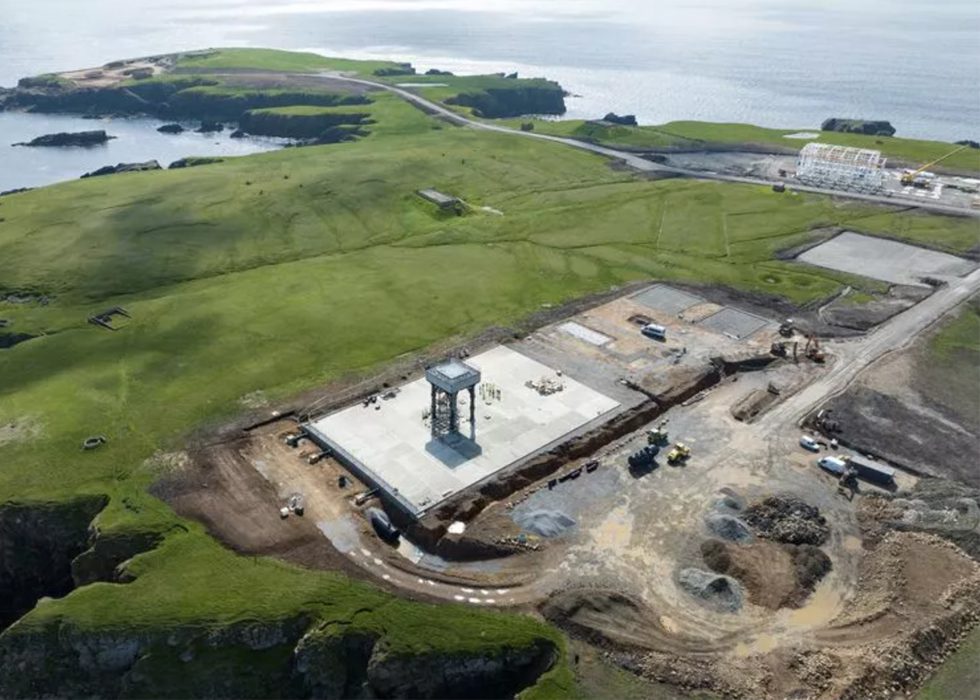
The proposed visits are intended to offer an opportunity to observe DataVita’s current operations, discuss the ongoing construction at Chapelhall, and address questions regarding the company’s published proposals for its fourth data centre, DV4. DataVita, headquartered in Lanarkshire, has been operating data centres in Scotland for over ten years.
Its facilities are recognised as being some of the most energy efficient and sustainable in the UK, utilising renewable energy and closed-loop cooling to minimise resource consumption, with plans for new facilities to positively contribute to Scotland’s grid.
Figures from the UK Government estimate that, when fully adopted, AI could contribute up to £47 billion annually to the UK economy over the next decade.
The Lanarkshire AI Growth Zone includes a Community Investment Fund designed to provide up to £543 million in direct funding to North Lanarkshire over 15 years. This fund is intended to support skills and training programmes in AI, coding, and other technology areas for local people, as well as assistance for local food banks and charities, all delivered in partnership with the community.
Danny Quinn, Managing Director of DataVita, stated: “Nearly all of us use data centres every single day whether we realise it or not – from being able to use online banking and working from home, to scientists delivering groundbreaking medical research. They are the critical infrastructure that makes many of the things we do in modern life possible, and that is only going to accelerate as technology becomes even more entwined with daily life.”
Mr Quinn added: “For more than a decade, we’ve been supporting Scotland’s public services, businesses and even households to take advantage of the many benefits from online services. And, although AI is very much a hot topic at the moment, there is no doubt it is here to stay and the question for Scotland is how can we best use it to support jobs, skills, the public services we all rely on and the way we live, more generally.” He further commented, “DataVita fully supports an open public debate about the right kind of controls to have in place for AI and, where necessary, government action to protect our economy, society and environment. But the importance of the decisions we make about AI for Scotland’s future economy cannot be overstated. We need to move beyond a debate in which one side has to be entirely right and the other entirely wrong.”
“Where opinions differ, open and honest dialogue is the best way forward. A visit gives us the opportunity to show how our facilities operate and have a detailed conversation about our plans. We can explain the choices behind their design, hear the questions people have and discuss them directly,” Quinn explained. He concluded, “People should be able to see that we are willing to explain our work, listen to different views and have a constructive discussion. We hope the invitations will be accepted.” The open letters are published in full on the DataVita website.