


Stargazing is rising in popularity with travellers worldwide, as night sky tourism – known as astrotourism – promises unforgettable cosmic encounters. While Spain’s clear, dry skies have made it a global destination for star seekers, Scotland is quietly carving out its own space in the constellation of Europe’s top night-sky hotspots.
Scotland: A Hidden Gem for Stargazers
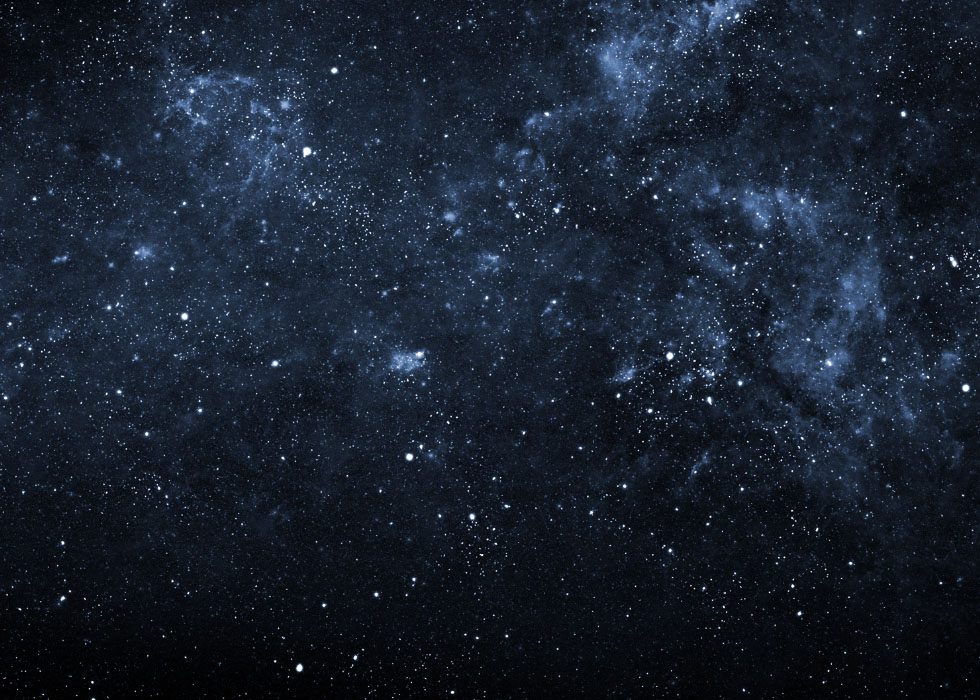
Scotland enjoys some of the darkest skies in Europe, thanks to sparse populations and widespread natural landscapes. Its Galloway Forest Park became the UK’s first International Dark Sky Park in 2009 – a status that kicked off a “dark skies revolution” in the country. More recently, the remote Isle of Rum was named an International Dark Sky Sanctuary, one of only two in Europe, cementing Scotland’s stellar reputation.
According to VisitScotland: “There’s no public lighting on Rum and only 40 full-time residents, which means the skies above are free from pollution and provide exceptional stargazing opportunities.”
Other top spots include the Isle of Coll, Moffat, Caithness, and the Stoer Peninsula in Assynt, where stargazing events, guided tours, and even astrophotography workshops are frequent. “We’re one of the few places in Europe with ‘Bortle 1’ skies (the measurement standard for darkness – Bortle 1 is as dark as it gets!),” said Monica, host of Scotland’s Astro Nights in Assynt.
Stargazing experiences range from luxury weekends (like the “Escape With The Stars” at Isle of Eriska Hotel) to rugged nights at community-run observatories or atop windswept beaches. On a continental scale, Scotland’s Murray’s Monument was recently rated among Europe’s top ten locations for astronomy holidays, celebrated for low light pollution and sky clarity.
Spain: Europe’s Astrotourism Powerhouse
Yet, for all its natural beauty and dark sky credentials, Scotland still trails Spain when it comes to astrotourism as an organised, booming sector. Spain’s industry is set to enjoy a £4.4bn boom, bolstered by government and community initiatives and favourable climate. “Stargazing and astrotourism are becoming one of the most stimulating travel trends in Spain with many proposals to enjoy the night sky in protected areas,” reports Iberostar.
Why does Spain dominate? Its low light pollution, exceptional number of clear nights annually, and Starlight-certified reserves – like La Palma in the Canary Islands, Sierra Sur de Jaén, and Aragón – draw both amateurs and professionals. Specialist companies and rural lodges provide telescopes, educational materials, and unique experiences, from castle courtyard star parties to horseback rides beneath the Milky Way.
The country’s regions actively promote astrotourism with workshops, festivals, and cross-sector collaboration.
Comparing the Night Skies
Both Scotland and Spain offer breathtaking starry nights, but their approaches differ. Spain’s industry is more mature, integrated with rural tourism and backed by a strong Starlight certification network. Travellers visiting Spain are likely to find broader infrastructure and more frequent, large-scale experiences tailored to niche types of astrotourists.
In contrast, Scotland’s astrotourism feels more “off the beaten path,” with a focus on small-group experiences and the raw beauty of the Highlands and islands. While investment and recognition are growing, and it remains one of the best places in Europe for pure sky darkness, Scotland still offers a more intimate and less commercialised affair.
As one recent traveler reflected after visiting the Scottish Dark Sky Observatory, “He was very informative, approachable and friendly. He gave us lots of tips on how to get started on our own and what to look for in the night sky.”
A leading travel expert says it’s no wonder many tourists are swapping five-star hotels for the countless stars that can be seen from popular stargazing destinations such as the monasteries in the Pyrenees Mountains.
Johanna Jernberg, a leading tourism expert from Monasteries.com, commented: “From the Arctic Circle to New Zealand to the mountains of Spain, astrotourism is becoming a billion-pound trend. Last year, visitors spent over £620m experiencing the northern lights, while astrotourism is expected to generate a stellar £4.4bn by the end of the decade. Already, many planned tours to see the 2027 eclipse in Egypt are fully booked.
“Now a new online guide has revealed that Spain is one of the best countries from which to see the night sky, thanks to clear weather and lack of light pollution. Mountaintop monasteries offer some of the best places from which to gaze at the heavens. Some have thrown open their doors – and roofs – to stargazers. From Catalonia’s jagged peaks to Seville’s quiet valleys, these retreats invite their guests to slow down, look up and reconnect with nature.
“One star tip is to be pragmatic with your packing. Take sturdy walking shoes and casual, comfortable clothing. Monastery stays don’t require strict dress codes for guests but, out of respect, you should dress modestly around church areas. If visiting in the spring or autumn, pack layers, as stone buildings can be cool at night and mountain climates change quickly.”
Astrotourism may be booming under Spain’s balmy, dry heavens, but the Scottish skies – often streaked with aurora and ancient myth – continue to win the hearts of those willing to brave the weather and seek the sublime among the stars.