


The first time I met Frank Strang was in his Grantown on Spey office on a cold winter’s day in January, 2021. He and then-Financial Director Bill Gibb were in buoyant mood. They felt they were making progress in their swim against the tide to make their dream a reality. At that point , and to continue the metaphor, they still had an ocean to cross, and it seemed to me that was a very, very, long way to swim. But their determination and Frank’s positivity were palpable. Frank said enthusiastically, “Listen to this,” and he read these lines from Julian May’s novel The Many-Coloured Land:
“Richard Voorhees took the Express Tube from Unst to Paris to Lyon, then rented a Hertz egg for the last part of his journey.”
Frank, smiling, pointed to the book, “here they already have a Starport at Unst. But we still have to build the real thing! Mark my words there will be a Spaceport at Unst.” And he meant it.
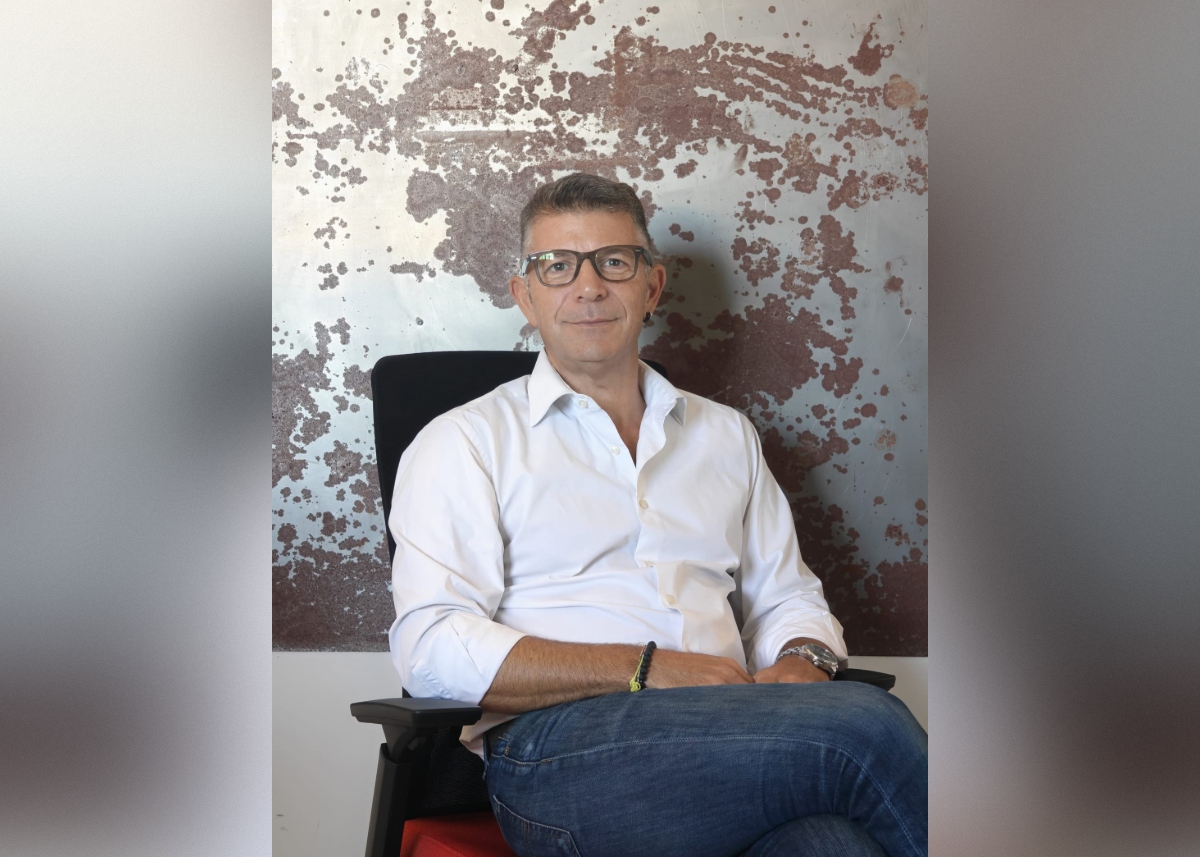
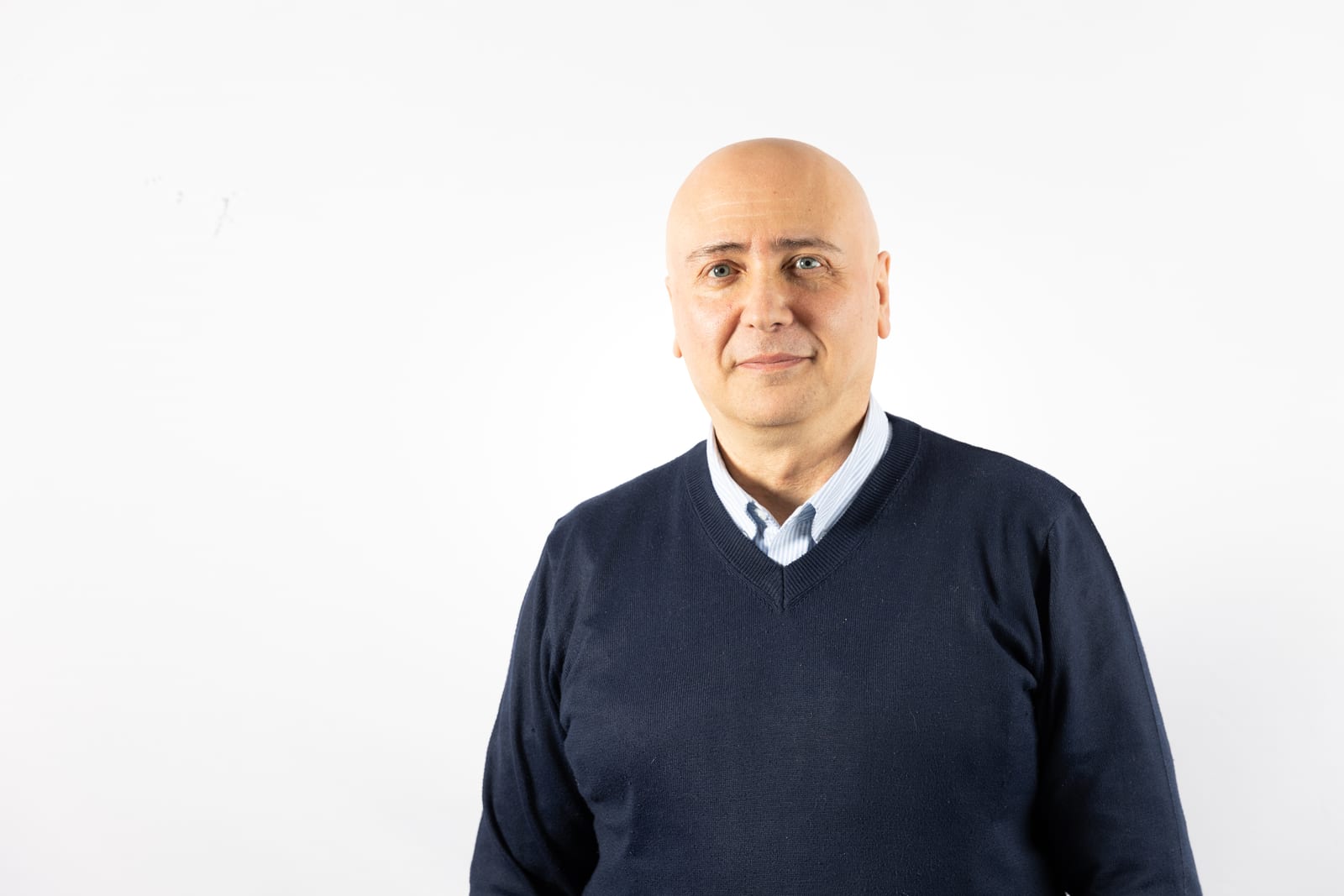
Frank Strang MBE bought a decommissioned RAF radar station on Unst, Shetland’s most northerly island, on impulse in the late 1990s. His original plan was eco-tourism. What he actually built, against persistent scepticism, planning objections, funding struggles and bureaucratic obstruction, was Europe’s first fully licensed vertical launch spaceport.
Strang died of oesophageal cancer in August 2025, aged 67, just months before the rockets began to arrive. The project had always been a family and partnership endeavour — co-founded with his wife Debbie Strang, who shared his passion and his belief in Unst’s potential from the very beginning, along with fellow co-founder Scott Hammond, who stepped up as CEO to carry the project forward after Frank’s death.
Hammond, a former fast-jet fighter pilot trained to stay calm and complete a mission under the most intense pressure, captured the man simply and precisely when he said: “When we first identified the prospects for a spaceport at Lamba Ness in Unst, Frank would not take no for an answer and broke through barriers that would have deterred lesser people.” His passing was a huge loss to the team that was built and which now carries on that mission, true to their duty and true to their vision.
What makes this achievement all the more remarkable is that SaxaVord has been built largely on private capital, with minimal public institutional support in Scotland. While the Scottish Government channelled investment through Highlands and Islands Enterprise into the Sutherland spaceport further south, SaxaVord received a fraction of that backing but pressed on regardless. The market delivered its verdict decisively. Lockheed Martin quietly switched its preference to SaxaVord as early as 2020. Orbex, originally Sutherland’s anchor tenant, eventually paused construction and moved its planned operations to SaxaVord. The Sunday Times had already asked the question that many in the industry were privately asking, in a piece headlined “How the SNP backed the wrong horse in the Scottish space race” — published as far back as March 2024. SpaceWatch UK later reinforced that verdict in a cutting assessment, citing “deep contradictions in Scottish Government policies” on spaceport development. The private sector had voted with its feet long before either conclusion was written.
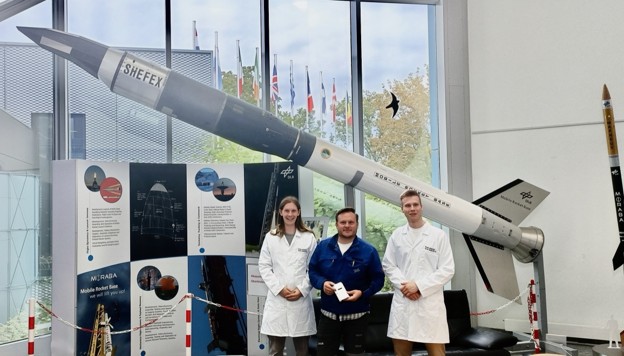
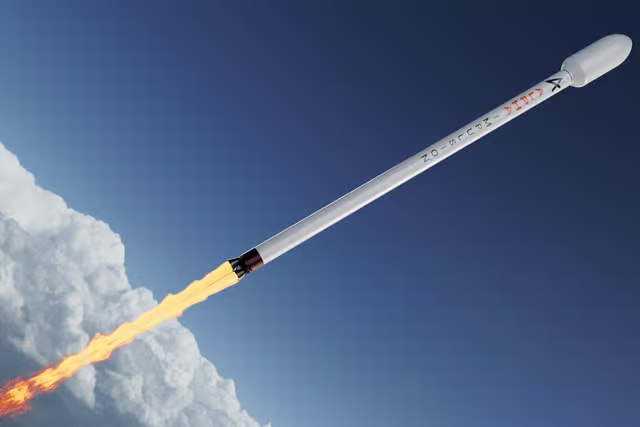
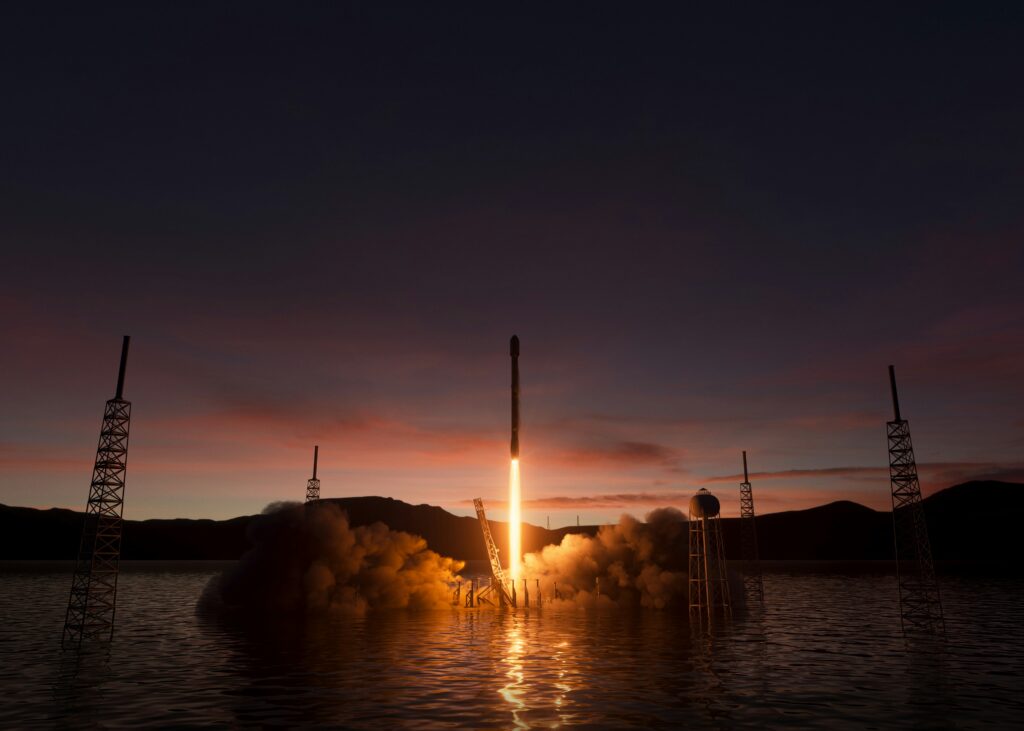
That context matters now more than ever. In early 2026, Rocket Factory Augsburg delivered the first and second stages of its RFA ONE orbital rocket to SaxaVord — a milestone announced in March — the most concrete signal yet that Scotland’s launch era is no longer a vision on paper, but likely within the next year of becoming reality. The Assembly, Integration and Testing hangar is now complete and operational, and the site is licensed for up to 30 launches per year across up to six launch pads.
The UK government appears to have recalibrated its own thinking accordingly. In March it committed £20 million to accelerating Scottish spaceport infrastructure as part of a broader £500 million national space package — the clearest signal yet that Westminster views Scotland’s launch geography as one of Britain’s strongest strategic cards in the contest for influence in the new space economy.
The real question is no longer whether Scotland has the infrastructure — it demonstrably does — but whether it can convert a promising launch window into repeatable, commercial credibility.
Frank Strang spent years being told the site was too remote, the idea too ambitious and the path to achievement too complicated. His answer was to press on regardless — without the institutional tailwind that had been directed elsewhere. Within the next year, if all goes to plan, a rocket will rise from the island he refused to give up on. It is an outcome he dedicated the last years of his life to making possible — and one the rest of Scotland’s space sector will now have to prove worthy of. Who knows, if Frank were still with us we might one day also take the Express Tube from Unst to Paris.