



Sivers Semiconductors has announced a USD 30 million investment to expand its indium phosphide (InP) manufacturing facility in Glasgow, positioning its Scottish site to serve a wave of demand from AI datacentre and high-speed optical networking customers.
The Stockholm-listed group (STO:SIVE) said the expansion will lift annual capacity at the Glasgow plant to more than 100 million continuous-wave distributed feedback (CW DFB) lasers, while adding new process capabilities, greater automation and additional manufacturing flexibility. Work is due to start in the second half of 2026, with the expanded facility expected to become operational in the fourth quarter of 2027.
The Glasgow plant is operated by wholly owned subsidiary Sivers Photonics, based at Hamilton International Technology Park in Blantyre. According to Technology Scotland, the site is a UK-based cleanroom foundry employing more than 75 staff. Sivers’ 2025 Annual Report describes Glasgow as the Photonics division’s head office and manufacturing facility, with the wider group employing 130 people across the US, Scotland, Sweden and India at the end of 2025.
Why Sivers is spending now
The investment is being framed as a strategic move to pre-position capacity for anticipated customer ramps rather than a response to orders already on the books.
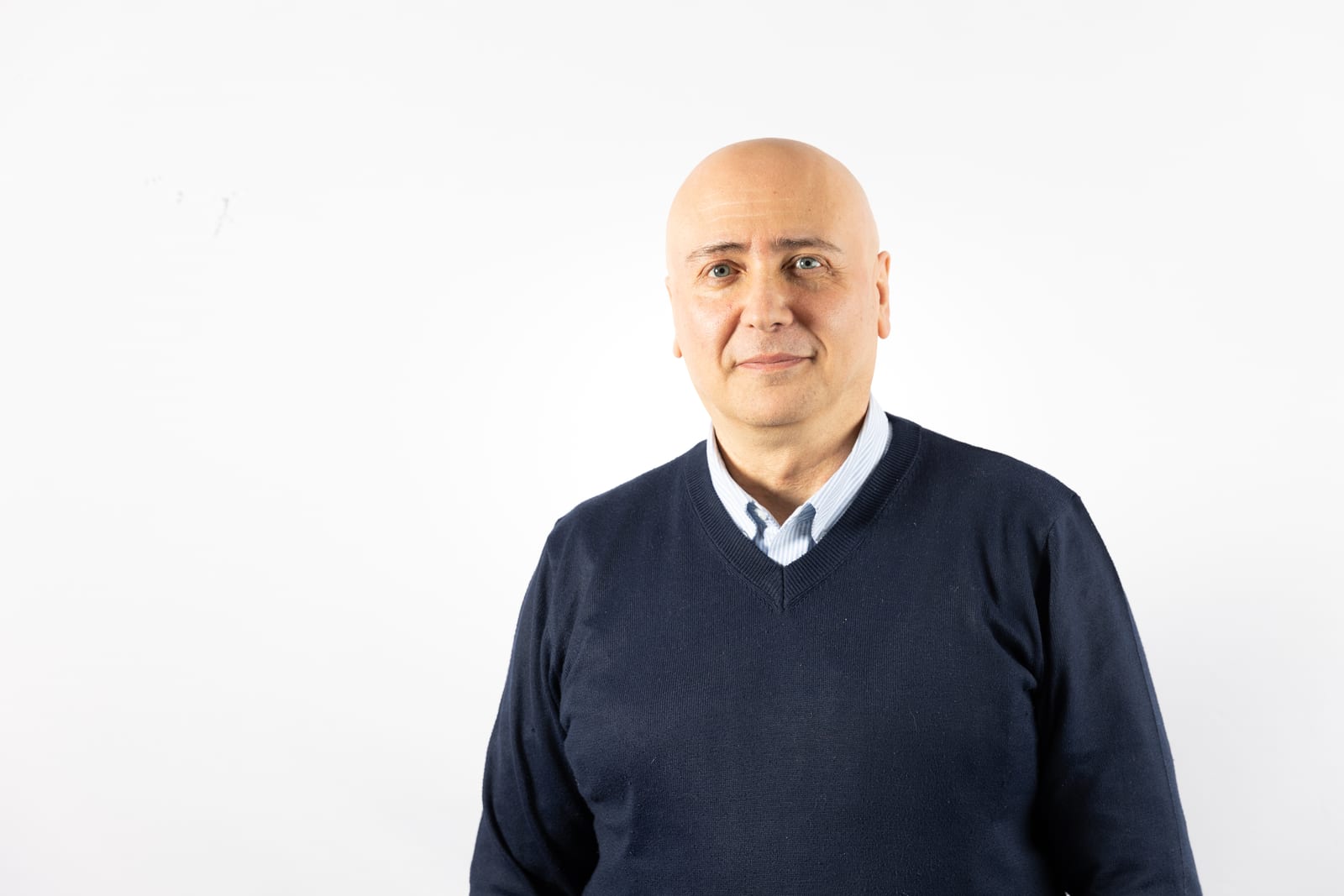
“The scale of today’s AI infrastructure build-out is creating unprecedented demand across the optical supply chain,” said Vickram Vathulya, President and CEO of Sivers Semiconductors, in the company’s 3 September announcement. “Our customers need significantly more laser production capacity and, just as importantly, the confidence that supply will be there when their programs ramp. This investment positions us along with our foundry partners, to meet that demand.”
Sivers argues that as hyperscale operators build larger AI clusters and move to higher-speed networking architectures, InP-based lasers and semiconductor optical amplifiers will become increasingly central to the high-performance, energy-efficient optical connectivity these systems require.
A “hybrid” manufacturing model — with Glasgow at its core
The spend also marks a formal shift in how Sivers plans to make its products. The company said the investment is “an important step in Sivers’ transition from a Fab-Lite manufacturing model to a Hybrid Manufacturing strategy, combining expanded in-house manufacturing capabilities with strategic foundry, packaging and manufacturing partners.”
Chief Operating Officer Neeraj Chopra said in the same release: “Scaling photonics for AI infrastructure requires more than increasing capacity. It requires a manufacturing strategy built for flexibility, quality and long-term customer demand. By combining our planned expansion in Glasgow with the manufacturing capacity of our external foundry partners, we can scale efficiently while maintaining the supply flexibility our customers need. This approach gives Sivers the ability to support high-volume production as AI infrastructure deployments accelerate.”
The Glasgow expansion will complement Sivers’ broader ecosystem of foundry, packaging and manufacturing partners in Asia, which the company says is designed to provide production scalability, geographic flexibility and supply-chain resilience while retaining in-house control of core photonics technologies.
An important development
For Scotland’s compound semiconductor cluster, the Glasgow site is one of a small number of high-value InP foundries in the UK. Work on the ground has already begun: on the company’s Q2 2026 earnings call on 27 August, Vathulya told analysts, “Our Glasgow site expansion is underway,” adding that “Phase 1 expansion is underway in Glasgow already, and that additional capacity will be available from the end of Q4 2027.”
The 3 September release does not put a figure on new Scottish jobs. Asked on the same earnings call whether engineering roles were available at the Scottish site, Vathulya said: “All of our hiring needs come through our website, and there will be additional needs in the areas where we are expanding as well.”
For readers watching Scotland’s role in the global AI supply chain, the significance is straightforward: a Glasgow foundry is being scaled to make lasers at a level of volume aimed squarely at the world’s largest datacentre operators, on a timetable that lines up with the next major wave of AI network build-out.