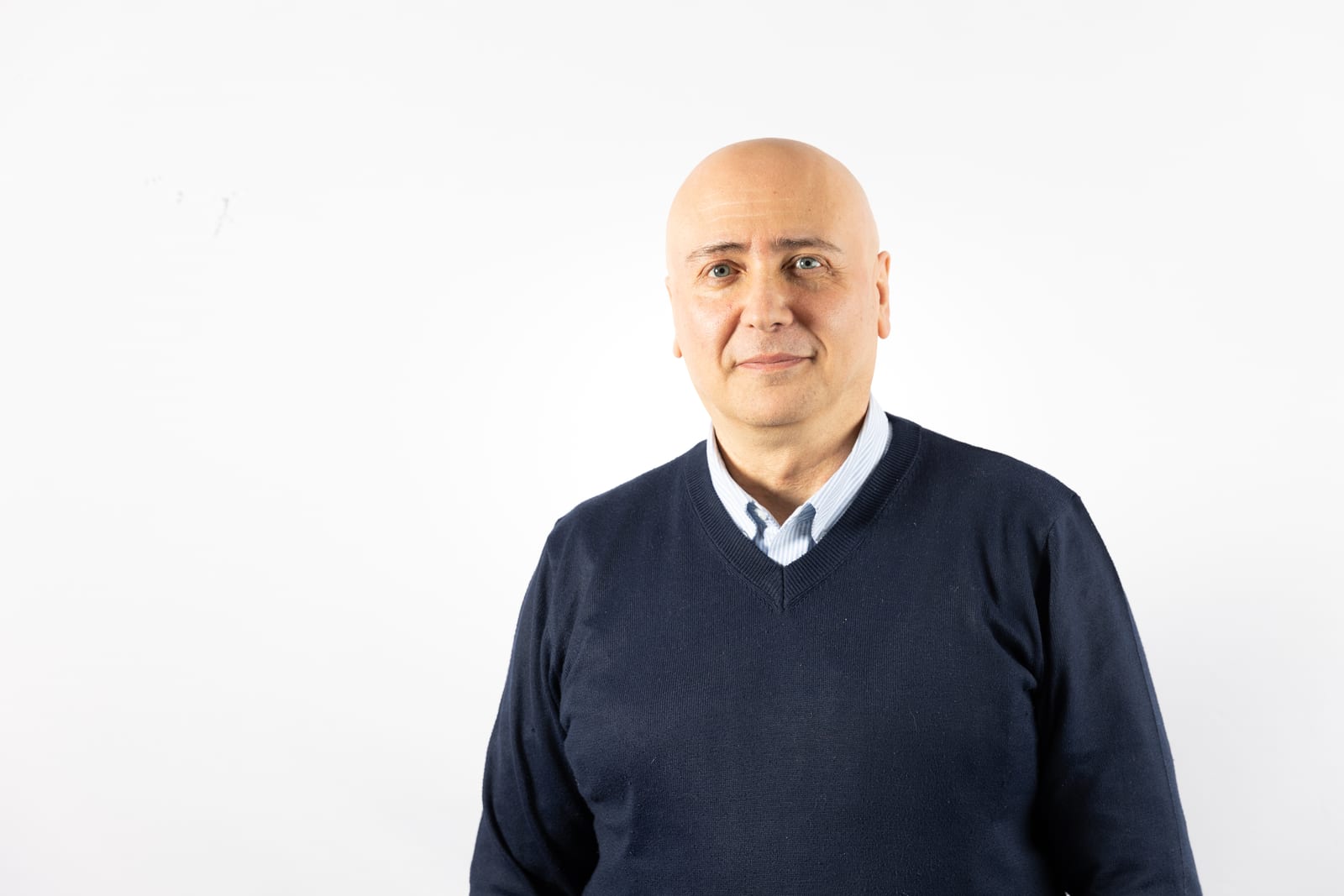




A retired lorry driver from the Isle of Lewis has become the first person in the world to receive a novel gene therapy during heart bypass surgery — a milestone reached four months ago that has gone largely unreported in Scottish tech and digital health media.
John MacDonald, 73, underwent the experimental TIMP-3 gene therapy at NHS Golden Jubilee University National Hospital in Clydebank in August 2025, as part of the PROTECT clinical study. The trial, led by NHS Greater Glasgow and Clyde and the University of Glasgow, was publicly announced in early January 2026.
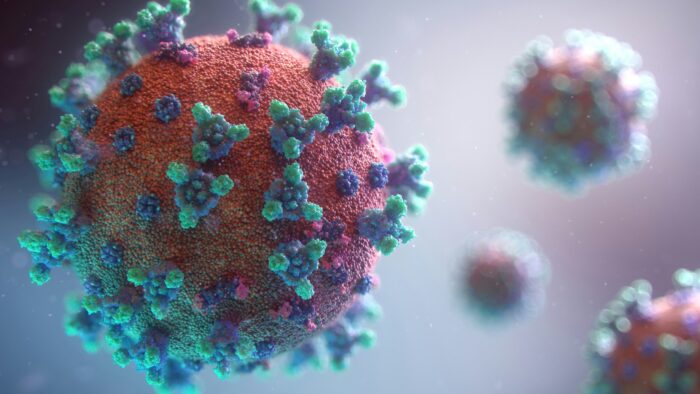
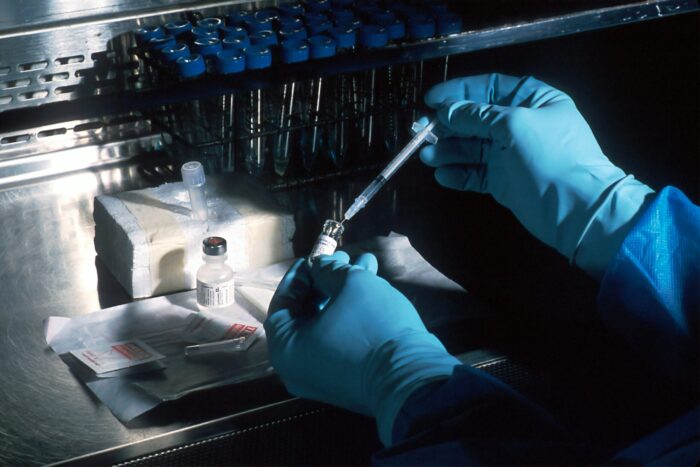
MacDonald suffered a heart attack at home and was flown to Clydebank, where surgeons performed Coronary Artery Bypass Graft (CABG) surgery using a vein from his leg. During the operation, researchers treated the graft vein with a viral vector carrying a gene for TIMP-3 — a protein involved in tissue remodelling. The objective is to prevent the vein graft from narrowing and blocking in the years after surgery, a common cause of graft failure that leads to angina, further heart attacks, and heart failure.
Standard vein grafts are not naturally designed to withstand the high pressure of arterial blood flow from the heart. The TIMP-3 therapy is delivered directly to the excised vein before it is grafted, allowing targeted treatment prior to implantation. The work follows a steady run of Scottish breakthroughs at the cutting edge of cardiac care, including a Glasgow firm’s world-first in robot-assisted heart valve surgery and an earlier global breakthrough in robot-assisted heart surgery.
Professor Colin Berry, Professor of Cardiology and Imaging at the University of Glasgow and Interventional Cardiology Consultant for both NHSGGC and NHS Golden Jubilee, said: “Heart bypass surgery is a life-saving treatment for patients with coronary heart disease and millions of people around the world are living longer due to the benefits of bypass surgery.
“However, in the years after surgery, the veins commonly narrow and may block leading to angina, heart attacks and heart failure.
“Our team has developed a new approach to prevent vein graft failure. The new gene therapy has been developed during more than two decades of teamwork involving many experts working in collaboration.
“We are delighted to be leading this new study which is designed to clarify the feasibility and potential benefits of this new therapy for patients undergoing heart bypass surgery.”
MacDonald, a grandad of three who previously had stents fitted after a cardiac arrest at 60, has recovered well. He said: “I can’t get over how I’m feeling.
“I was managing to go for walks two or three weeks after getting out of hospital, I’m driving again now, and I’ve been doing wee bits around the garden.
“I can go up and down the stairs in the house now, I don’t feel lethargic anymore. I’m sleeping a lot better than I ever was. My health is just fantastic.”
He added: “I feel 100% better than I was after I got my stents 13 years ago. I’m really feeling good – I feel on top of the world actually.”
The PROTECT study is co-sponsored by NHSGGC’s Research and Innovation directorate in partnership with the University of Glasgow, with NHS Golden Jubilee and the University of Edinburgh also collaborating. Funders include the Medical Research Council and British Heart Foundation, with additional support from the Cell and Gene Therapy Catapult and the Wellcome Translational Partnership Award.
PROTECT sits within a wider Scottish gene-therapy and clinical-trial ecosystem that has been steadily building investment and capacity. Recent Silicon Scotland coverage includes Concinnity Genetics raising £3 million, Enterobiotix completing a £27m financing round to advance clinical trials, and a UK clinical first as AI was deployed in a head injury and brain scans trial in Glasgow. Scottish healthcare innovators have also been urged to apply to the transformative NHS Clinical Entrepreneur Programme, reflecting an ecosystem actively seeking to convert clinical insight into commercial and patient impact.
The trial is described by its leads as a cross-boundary example involving multiple NHS Boards. If it demonstrates feasibility and benefit, it could alter the standard of care for the hundreds of thousands of patients globally who undergo CABG surgery each year — and reduce the need for repeat procedures.
MacDonald encouraged others to consider participating in clinical trials: “This experiment could not only prolong my life, but it could prolong my healthy years.
“I’m glad to be helping the clinical and research teams achieve what they are trying to do, and I’d encourage others to consider taking part in studies like this one that could help many people in the future.”