
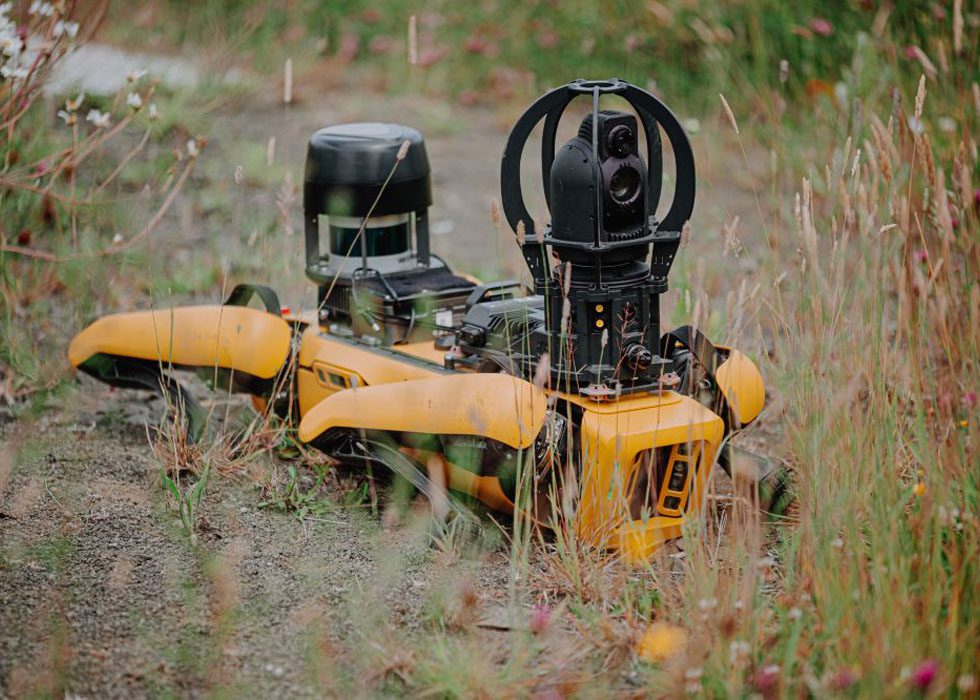


A groundbreaking partnership between leading Scottish technology and agricultural research institutions is set to revolutionise farming by deploying 5G-connected robotics, ushering in a new era of precision agriculture. The collaboration—featuring The National Robotarium, James Hutton Institute, Scotland 5G Centre, Boston Dynamics, and Freshwave—aims to address key challenges in modern agriculture, including rising costs, labour shortages, and environmental pressures.
From Concept to Field
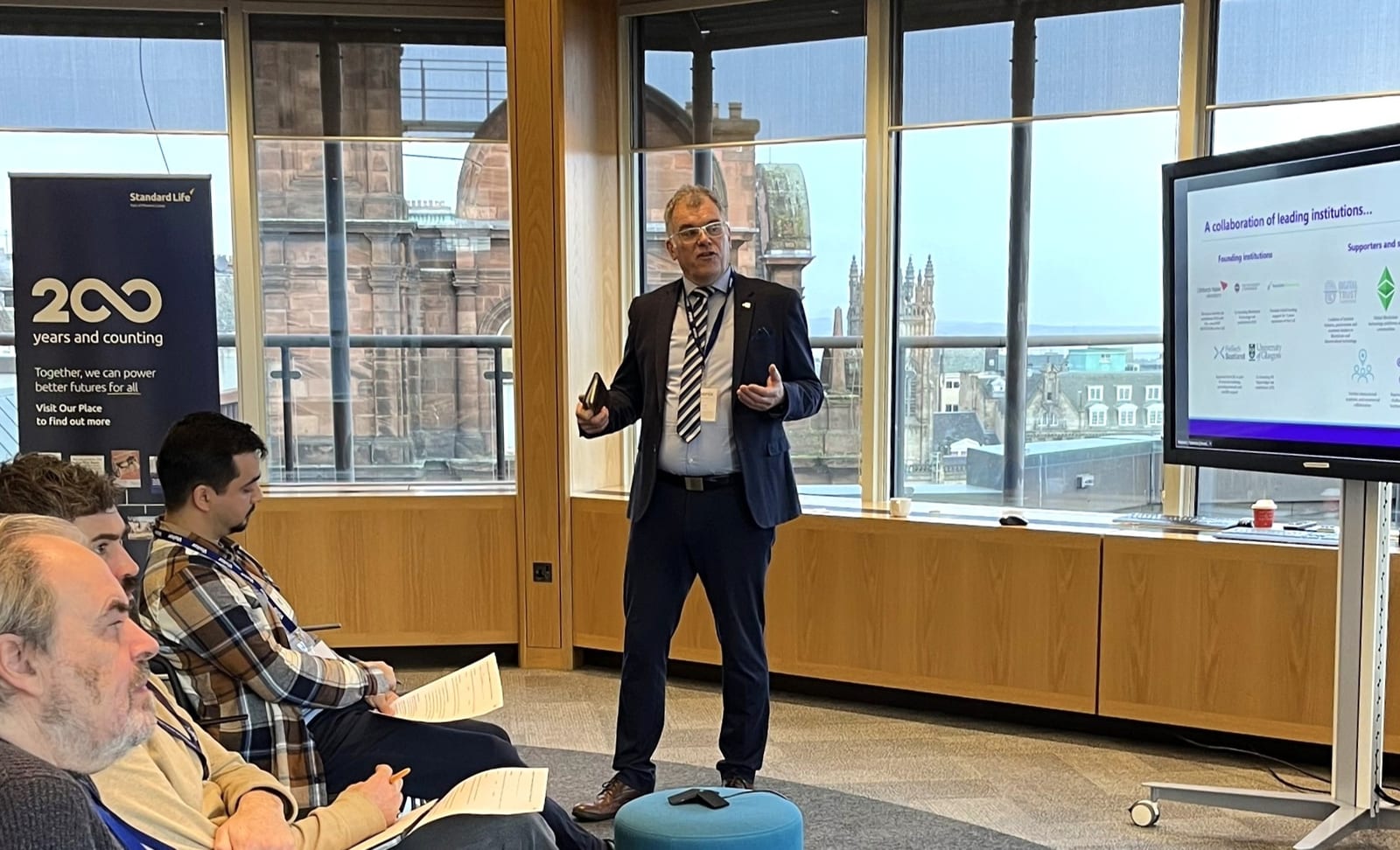
Following a demonstration at The National Robotarium, project manager Ruth Plant expressed enthusiasm about the leap from theory to practice:
“What’s exciting about this project is seeing the technology develop from initial concept to working demonstration. We’ve successfully shown that portable 5G networks can provide the connectivity needed for real-time robotic operations in agricultural settings. The integration of these technologies creates opportunities for precision farming that weren’t previously possible in areas with limited connectivity.”
Tackling Rural Connectivity and Efficiency
The introduction of portable 5G private networks means that even farms in remote areas can benefit from high-speed, low-latency connections—essential for real-time data transmission and robotic control. Ruth Plant added:
“The integration of these technologies creates opportunities for precision farming that weren’t previously possible in areas with limited connectivity.”
Andrew Christie, agritech specialist at the James Hutton Institute, highlighted the transformative potential:
“As an evolution of precision farming technology being used in modern agriculture, robotics are a next step in the progression towards data-driven farming practices, but a barrier to uptake has been the speed and reliability for real time communication and a need for manual intervention for data processing.
With the integration of 5G private networks in robotics we can address these issues enabling high volumes of data to be transmitted at low latency and allowing us to use our current equipment more effectively, whilst also enabling future progress in swarm robotics, real-time sensors for digital twinning and active data processing through cloud computing.”
Real-World Applications
The new systems are already demonstrating their value by enabling:
- Crop health monitoring
- Targeted fertiliser application
- Soil condition assessment
- Early detection of disease, pests, and water stress
Tasks that once required expensive equipment and technical expertise can now be performed more efficiently and cost-effectively, with robots able to stream high-definition video, generate detailed field maps, and even identify issues earlier than traditional methods.
Industry Perspective
Ian Sharp, Head of Delivery at the Scotland 5G Centre, emphasised the broader significance:
“The collaboration highlights clearly how advanced wireless communications (5G) can enable new and exciting applications of robotics in an agricultural setting. It’s easy to see from the project how the 5G connected robotics can provide new opportunities to increase productivity and reduce costs.”