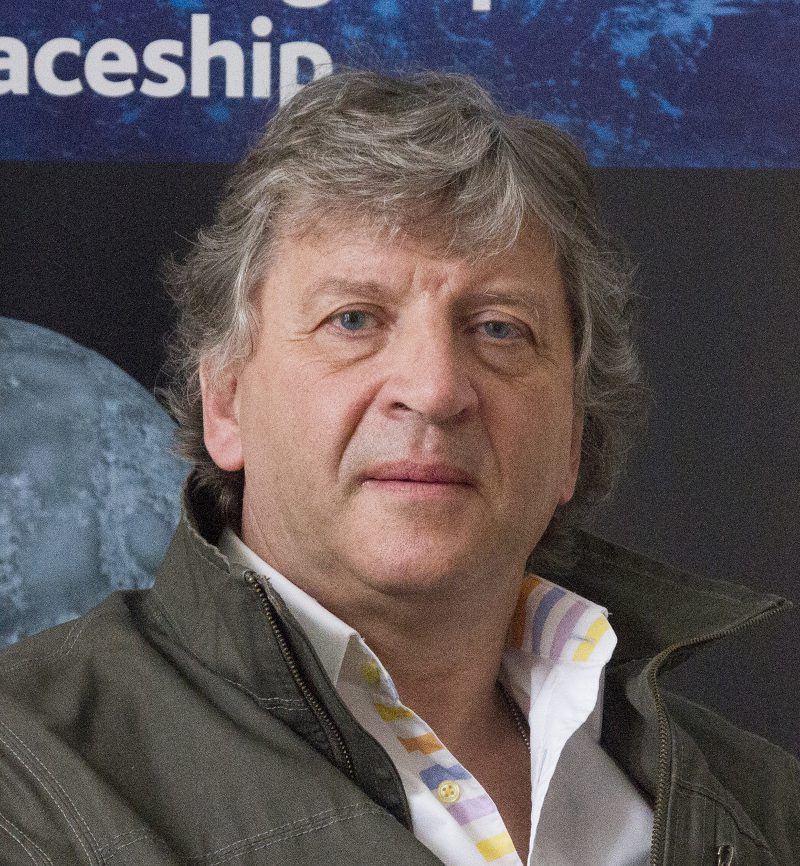


Stewart Miller has resigned as CEO of the National Robotarium, saying Heriot-Watt University’s decision to pull out of a major Innovate UK funding bid “at the eleventh hour” was the final straw in a deteriorating relationship with the university’s senior leadership. Heriot-Watt says it does not agree with his characterisation of events.
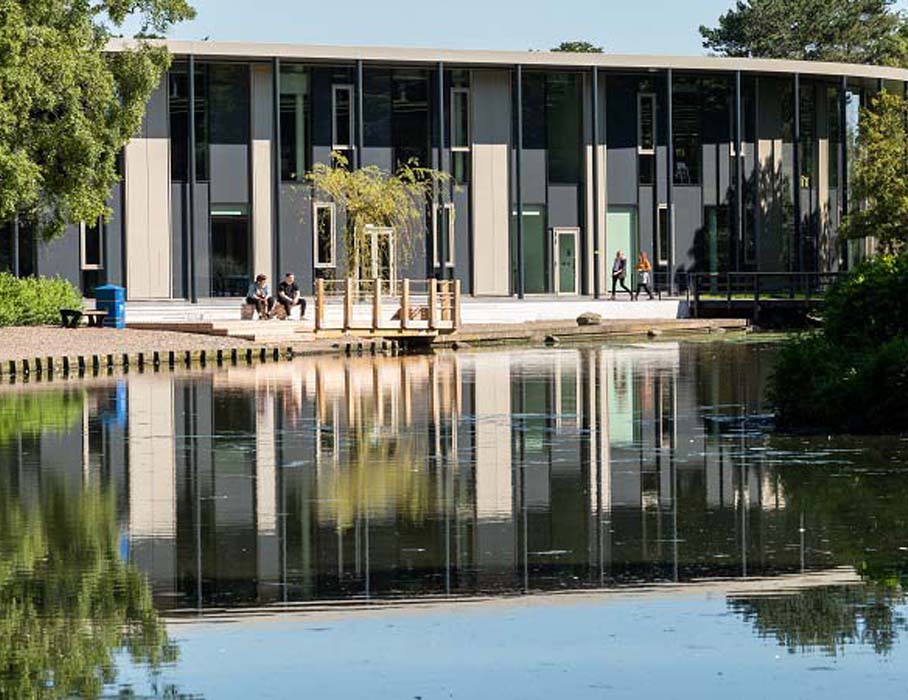
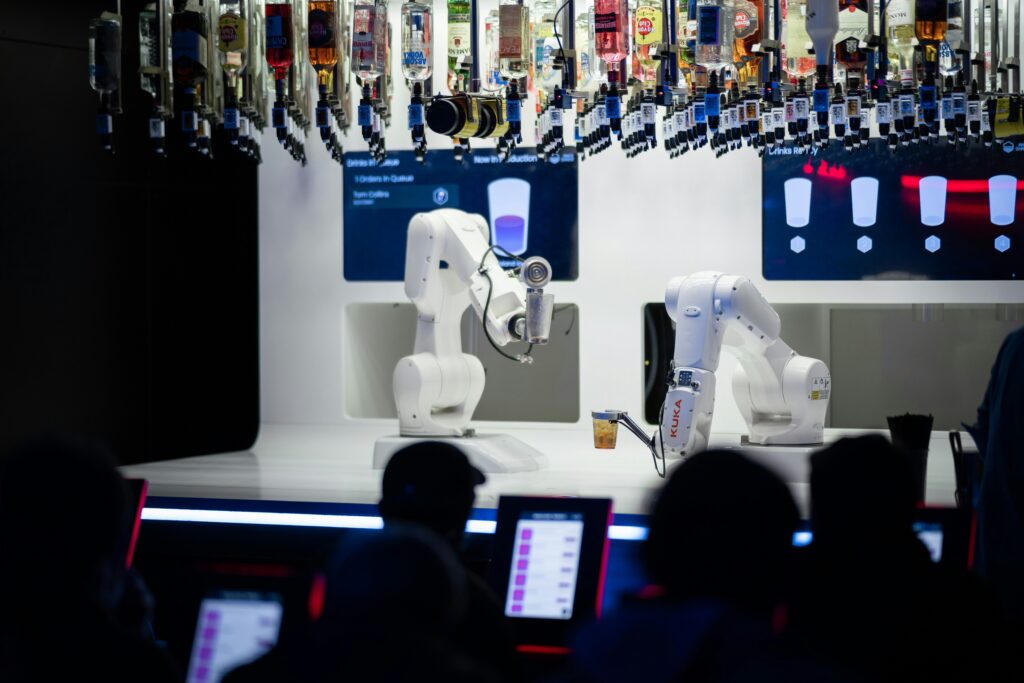
Miller announced his resignation in a LinkedIn post on 23 April 2026. The departure ends his tenure as founding CEO of the National Robotarium, which was officially opened in September 2022 at Heriot-Watt University’s Edinburgh campus. The centre specialises in robotics and artificial intelligence, incubates start-up businesses, and has received backing from both the Scottish and UK governments.
The immediate trigger for Miller’s resignation was Heriot-Watt’s decision not to apply for Innovate UK grant funding under its Robotic Adoption Hubs initiative — a bid Miller said he had spent considerable time positioning the Robotarium to lead. He valued the funding at £7.5 million.
In his LinkedIn post, Miller said:
I HAVE RESIGNED as CEO of The National Robotarium.
This is as a direct consequence of Heriot Watt University senior leadership turning their back on an opportunity to bring £7.5M of investment into the Scottish robotic economy.
By not applying for Innovate UK grant funding for Robotic Adoption Hubs the HWU Senior leadership undermined all of my efforts over 5 years to establish and grow The National Robotarium to the position of respect and prominence it now has in the UK and in Europe.
I had been instrumental in gaining support from UK government for the robotics hub initiative and had positioned The National Robotarium to lead an extremely strong bid on behalf of Scotland, with support from Scottish stakeholders and industry partners.
For this to be discarded at the eleventh hour was the final straw in a sequence of events over the past 6 months that have made it clear that HWU no longer respected or valued my contribution as CEO of The National Robotarium.
In a second LinkedIn post, Miller praised colleagues at the Robotarium and expressed support for the Scottish Government and the country’s enterprise agencies, which he described as having been supportive of the centre’s work throughout his tenure.
Miller, previously chief technology officer at Innovate UK and a former senior executive at Leonardo and BAE Systems, was appointed to the UK Government’s Robotics Advisory Group in March 2026. The group provides independent expert advice to the Department for Science, Innovation and Technology.
A Heriot-Watt University spokesperson said:
We can confirm that Stewart Miller has submitted his resignation as chief executive officer of the National Robotarium. The university recognises his contribution over the past five years in helping to establish and develop the centre. However, we do not agree with the characterisation of recent events.
Decisions regarding funding applications and strategic priorities are taken following careful consideration to ensure alignment with requirements and compliance with funding regulations. As this and related matters are subject to an internal review, it would not be appropriate to comment further at this stage.
Heriot-Watt University remains fully committed to the continued success of the National Robotarium, and to advancing robotics innovation, industry collaboration and skills development across Scotland and the wider UK. We will continue to work closely with partners to build on the strong foundations already in place.
The Robotarium’s future leadership and the outcome of the internal review have not yet been announced. The resignation comes at a sensitive moment for Scotland’s robotics ecosystem — the Robotarium is widely regarded as its institutional anchor, and the loss of a founding CEO carries reputational and strategic risk for a centre that has only been operating for three and a half years. Under Miller, the centre developed a collaboration with Expo City Dubai to create a UAE Robotarium, partnered with STAC on an investment fund for “smart things” entrepreneurs, and incubated commercially-significant spinouts including Bioliberty, which has just closed a £7.7m Series A led by the Scottish National Investment Bank.
The episode lands against a backdrop of growing UK Government interest in robotics adoption — a thread already drawn through earlier joint awards such as the Safer Robotics and AI project’s share of £117m in funding and ongoing investment in Scotland’s wider robotics-and-AI ecosystem. It also follows Silicon Scotland’s recent reporting on Scotland’s councils outpacing English peers on AI readiness — itself a Heriot-Watt-led study.