


Global Underwater Hub’s new Underwater Robotics and Autonomy Forum lands at a pivotal moment for the wider robotics industry, as sectors from nuclear to manufacturing look to machines to take humans out of harm’s way. ROVs and subsea intervention tools have been doing exactly that for decades – now the expertise built in the North Sea and beyond is becoming a blueprint for how robots tackle the world’s most dangerous jobs.
For subsea operators, the logic has always been clear. Deep water, crushing pressure, total darkness and heavy tooling make many offshore tasks fundamentally unsuitable for human divers. Remotely operated vehicles have long handled inspection, repair and maintenance on pipelines, subsea structures and renewable energy assets, operating at depths and in conditions that humans cannot safely endure. That experience – designing systems that thrive where people cannot go – is now directly relevant to other high‑risk industries.
The Underwater Robotics and Autonomy Forum, launched by Global Underwater Hub (GUH), is designed to accelerate that next phase of collaboration and innovation. Bringing together robotics developers, operators and technology organisations, the forum will focus on sector‑agnostic applications and emerging autonomous systems capable of working beyond human limits. The goal is not only to support safer subsea operations, but to strengthen the UK’s position as a global leader in underwater robotics whose technologies and know‑how can transfer into adjacent fields.
Other industries have already begun to follow a similar path. In nuclear energy, tracked robots and ROV‑style systems are used to inspect submerged structures, handle contaminated materials and survey legacy facilities, sharply reducing radiation exposure for workers. In heavy manufacturing, robotic arms have taken over paint spraying, welding, casting and materials handling in environments where fumes, heat and repetitive strain once created serious health risks. Municipal authorities are deploying ground robots and drones to inspect bridges, tunnels and unstable buildings, avoiding the need for rope access teams and prolonged work at height.
Sanitation and utilities offer another vivid example. Sewer and pipe‑inspection robots are increasingly being used to navigate toxic, confined spaces that were previously accessed by manual workers at great personal risk. Just as subsea ROV pilots learned to “fly” machines through complex offshore infrastructure, operators in these sectors now rely on teleoperation and autonomous navigation to keep people away from hazardous atmospheres and collapse‑prone environments.
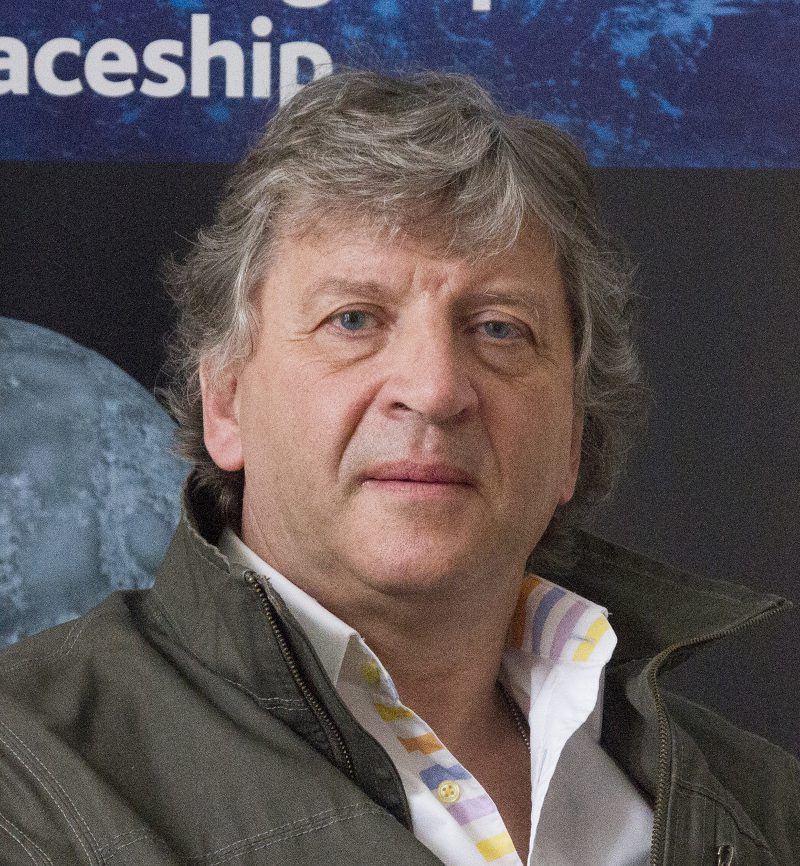
Mark Collins, business development director at Soil Machine Dynamics (SMD) and chair of the Underwater Robotics and Autonomy Forum, underscores how deeply this shift is embedded in the energy transition. Every major energy sector – oil and gas, offshore wind, tidal, wave and emerging marine energy – now depends on robotics and autonomous systems in some form, and their role is expanding as projects scale up in harsher, more remote locations. The forum is intended to coordinate expertise from across GUH’s membership, encourage cross‑sector collaboration and ensure the UK supply chain is ready to support surging demand for advanced underwater systems in offshore energy, defence, marine science and beyond.
Early discussion topics for the group will include the need for more test and demonstration facilities for new underwater platforms, as well as regulatory and insurance hurdles that can slow down deployment. Another priority is improving the interface between robotics developers and end‑users, so engineering teams have a much sharper view of real‑world operating challenges and work‑scope requirements. That two‑way dialogue, proven in offshore projects, is exactly what newer robotics adopters in nuclear, infrastructure and sanitation are now seeking to replicate.
The forum’s launch comes ahead of GUH’s Underwater Robotics Conference returning in 2025, with participating members including SMD, DeepOcean, Helix Robotics Solutions, High Performance Robotics (HPR), Kraken, Rovtech, ROVOP, Saipem and The National Robotarium. The next edition, the Underwater Robotics Conference 2026, will take place at Murrayfield Stadium Conference Centre in Edinburgh on Tuesday 30 June 2026, bringing together operators, developers and the full robotics supply chain. For Silicon Robotics readers, it highlights a clear through‑line: the techniques honed in subsea robotics are now informing how robots are designed, regulated and deployed wherever the job is too deep, too toxic or too dangerous for humans – under the sea, on land and in the air.