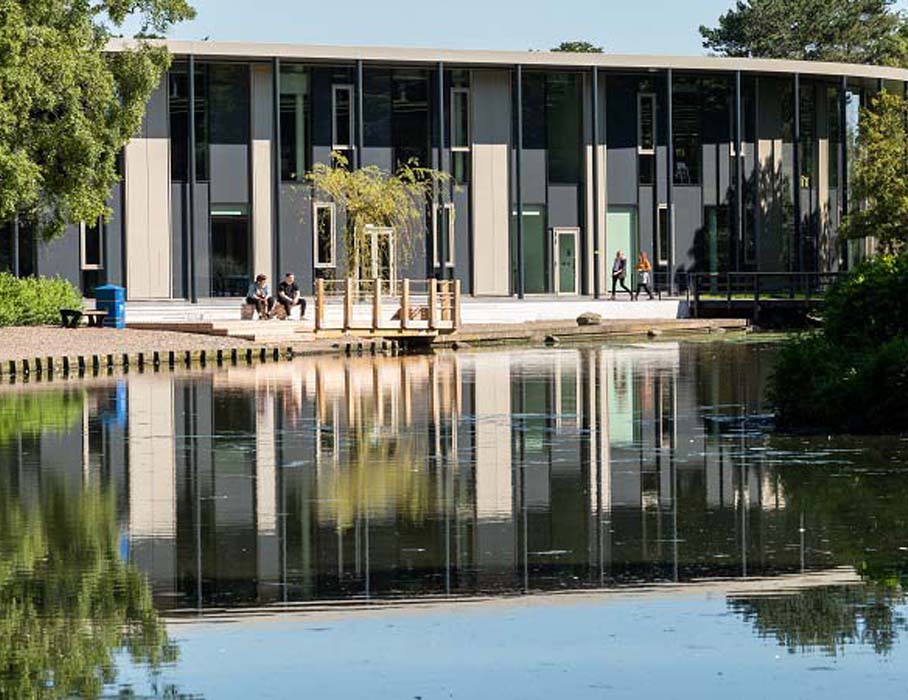


The National Robotarium in Edinburgh is emerging as a pivotal centre for the UK’s burgeoning robotics and artificial intelligence (AI) ambitions, functioning as both a leading research institution and a vital incubator for emerging startups. Opened on 28 September 2022 on Heriot-Watt University’s campus, this £22.4 million facility is the largest and most advanced applied research centre of its kind in the UK.
Funded primarily through the Edinburgh and South-East Scotland City Region Deal, with £21 million from the UK Government and £1.4 million from the Scottish Government, the Robotarium offers startups unparalleled access to advanced laboratories, office space, equipment, and a wealth of engineering expertise. Stewart Miller, Chief Executive of the National Robotarium since September 2021, underscores the transformative potential of robotics, stating it is rapidly becoming “as big a change as any other of the technology shifts we’ve seen,” drawing parallels with the internet, mobile phone, and personal computing.
Globally, industrial robotics adoption is accelerating. The International Federation of Robotics (IFR) reported 542,000 industrial robots installed worldwide in 2024, more than double the figure from a decade prior. Asia, led by China, dominated new deployments, accounting for 74 per cent, compared with 16 per cent in Europe and nine per cent in the Americas. The UK, despite ranking first for robotics research quality, lags in adoption, holding the 24th position globally for industrial robot density. This disparity highlights a significant challenge for British industry.
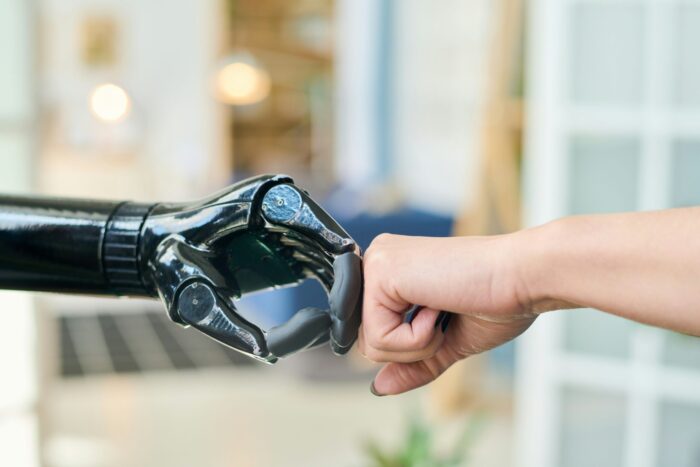
However, the Robotarium is actively fostering innovation to bridge this gap. Since its inception, it has supported a dozen companies, developing diverse robotic solutions. Noteworthy examples include Metacarpal, which has secured £800,000 in seed funding for its body-powered prosthetic hand, aimed at providing advanced functionality without electronics.
Crover is advancing a robot for monitoring grain health in silos, while Touchlab is pioneering electronic skin technology for robotic fingertips, enabling robots to “feel” and enhancing manipulation capabilities. University of Edinburgh spinout Bioliberty, a tenant at the Robotarium, raised £2.2 million in April 2023 from Archangels and other investors to further develop soft robotic wearable devices for stroke rehabilitation, with plans for expansion into the US.
The pace of technological evolution, particularly the fusion of AI and robotics, presents a dilemma for businesses considering investment. “You should make a start, but with your eyes open,” advises Mr Miller. Recognising the urgency, the UK government’s Modern Industrial Strategy has incorporated robotics, and Innovate UK has launched a tender for a network of “robotics adoption hubs,” backed by £52 million in government funding.
This initiative aims to accelerate the integration of robotics into British businesses across various sectors. With these strategic investments and the unique capabilities of facilities like the National Robotarium, Mr Miller asserts, “If we get this right, Scotland could become the robotics hotbed for the UK.”