



University of Glasgow spinout TileBio has secured £1.6 million in seed funding to develop an AI platform that learns to read diseased tissue from raw, unlabelled pathology images — with ambitions to train on more than two million NHS slide images.
TileBio, announced on 2 March 2026, emerged from computational pathology research at the University of Glasgow led by Dr Ke Yuan, Dr Adalberto Claudio Quiros, Professor John Le Quesne, Professor David Chang, and Dr Christopher Walsh. The seed round was led by Twin Path Ventures with participation from Scottish Enterprise and GU Holdings Ltd, the University’s investment company.
The platform is built around the insight that histology — the microscopic structure of tissue — contains an inherent structure that AI can learn directly from raw images without requiring human-annotated training data. That distinction matters commercially: the standard approach to medical AI demands large volumes of expensive, time-consuming expert labelling, which constrains both the scale and generalisability of models. The same fundamental challenge — moving from labelled, narrow training sets to broader real-world clinical deployment — sits behind the Aberdeen-led GEMINI study which found AI lifts breast cancer detection by 10.4% and cuts radiologist workload by a third, and informs why a self-learning approach has commercial appeal.
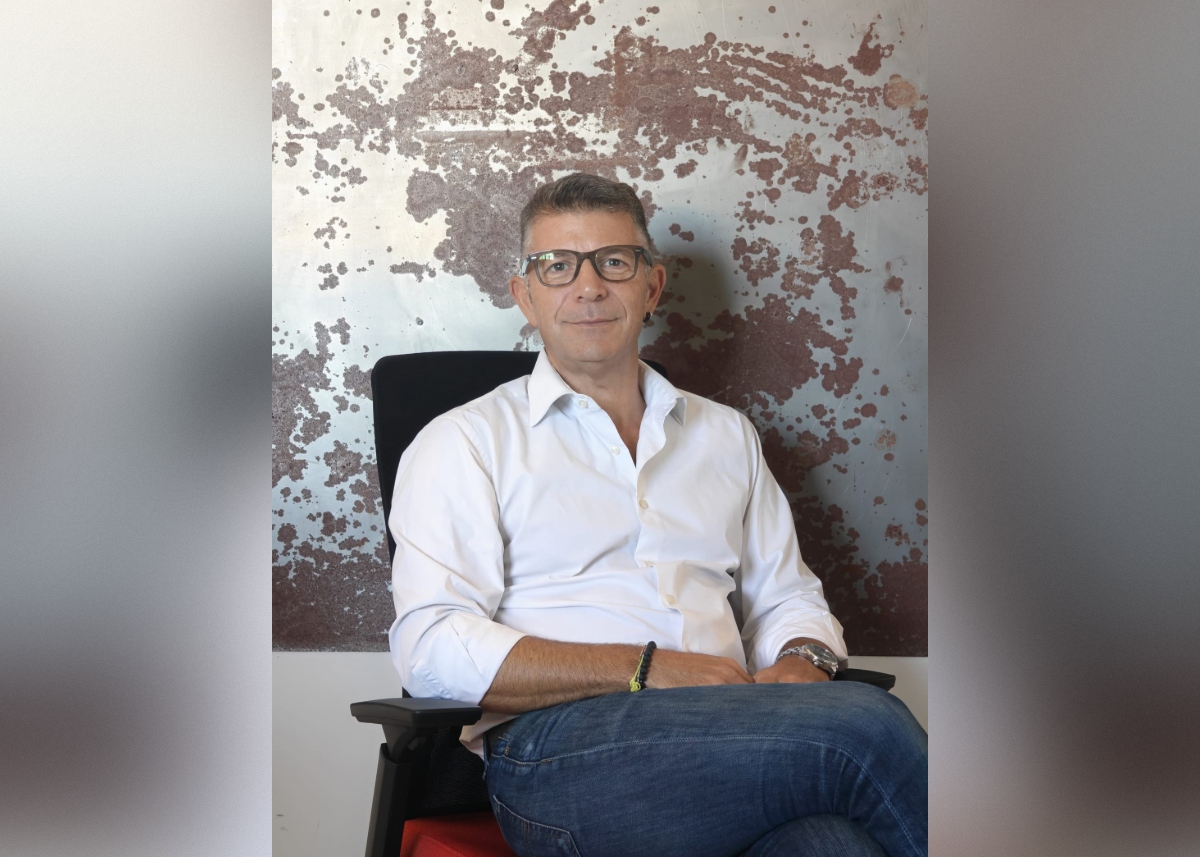
Dr Christopher Walsh, TileBio Chief Executive Officer, said: “The core scientific insight underpinning TileBio is that histology contains an inherent structure that can be learned directly from raw images without requiring large volumes of human-annotated labels.
“Traditional medical AI has been constrained by the need for expensive, biased, and labour-intensive ground-truth data. We have developed a method that allows AI systems to interpret the language of tissue directly from millions of unlabelled images.”
TileBio’s long-term ambition is to train one of the largest pathology foundation models globally, using more than two million whole-slide images from NHS Greater Glasgow and Clyde, working through formal data governance frameworks with the health board. The self-learning model is intended to enable cancer detection and triage across all cancer types at population scale, as well as novel biomarker discovery to inform drug development.
That ambition lands in a Scottish life-sciences sector that is steadily building both clinical-trial capacity and AI-in-cancer credentials. Recent Silicon Scotland coverage has tracked the world-first cardiac gene therapy patient — a Stornoway man — treated at NHS Golden Jubilee, 3D-printed micro-tumour specialist Carcinotech raising £4.2m and expanding into the US, and Cumulus Oncology securing £9m seed financing for cancer drug discovery. Adjacent AI-in-oncology work has included a Scottish PhD researcher harnessing AI to transform skin cancer diagnosis in remote areas and Glasgow-based work to spy on cancer cells using quantum technology.
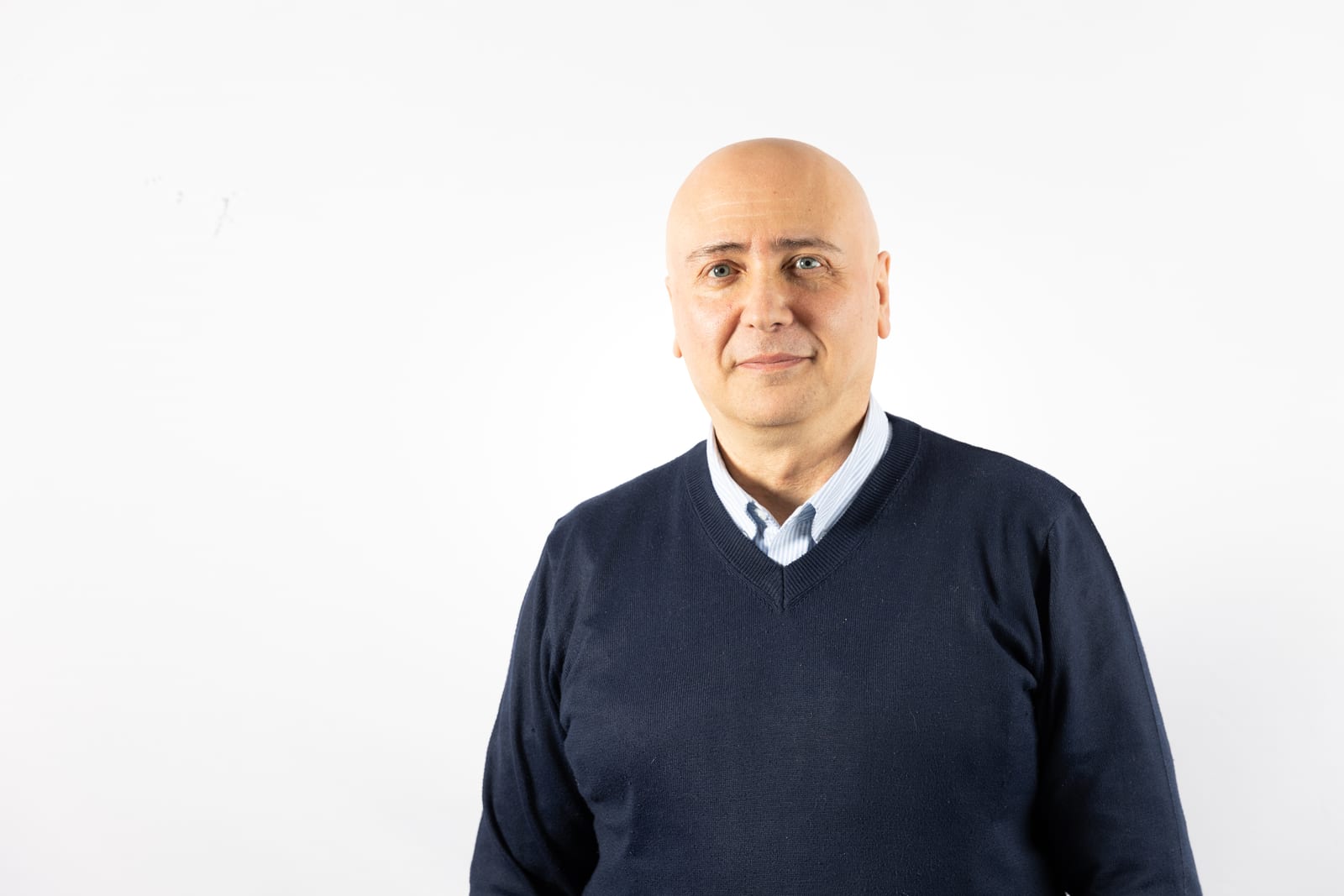
Katie Lockwood, partner at Twin Path Ventures, said: “Their models completely bypass the industry’s biggest bottleneck: the need for manual data annotation, as well as being able to generalise across cancer types and subtypes.
“By combining a novel self-learning tissue language model with world-class clinical data from the NHS, Chris and his team are setting a new technical benchmark for what computational pathology can achieve.”
The seed funding will support AI model training at scale, clinical validation studies, and team expansion — with recruitment focused on deep learning engineers, data managers, regulatory specialists, and commercial leads experienced in regulated medical software.
Derek Shaw, Director of Entrepreneurship and Investment at Scottish Enterprise, said: “There are several industries of the future where Scotland has global strengths, including Human Health, and building on that through support for companies such as TileBio is crucial to their continued growth.”
Uzma Khan, Vice Principal, Economic Development and Innovation at the University of Glasgow, said: “We are incredibly proud of the TileBio team in successfully achieving their first raise. Their success is a powerful endorsement of the scientific excellence behind the venture combined with a leap forward in using AI models.”
TileBio is among a cohort of spinouts from the University of Glasgow that have collectively secured over £100 million in investment since 2020, reflecting the growing depth of the institution’s innovation pipeline. The company is part of the Glasgow Riverside Innovation District ecosystem, developed in partnership with Scottish Enterprise and Glasgow City Council.