


The University of Edinburgh and National Robotarium spinout, which has developed an AI-driven soft-robotic glove for physical rehabilitation, has closed a £7.7 million Series A round led by the Scottish National Investment Bank.
Bioliberty, headquartered at The National Robotarium in Edinburgh, announced the raise on 23 March 2026. The round was led by a £3 million commitment from the Scottish National Investment Bank (SNIB), alongside existing investors Archangels, Eos Advisory, Old College Capital — the University of Edinburgh’s in-house venture fund — and Hanna Capital SEZC, as well as new investor Conduit Connect. The full round is expected to close later in the year.
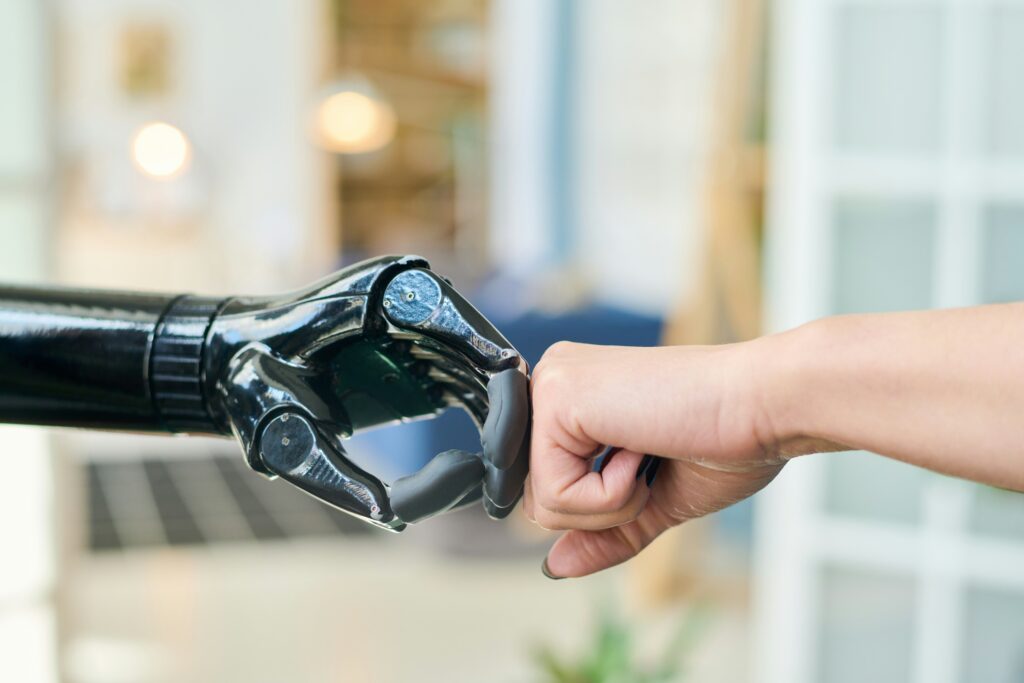
The company emerged from the University of Edinburgh’s School of Engineering in 2019, when CEO Rowan Armstrong co-founded it with fellow Engineering graduate Ross O’Hanlon, alongside Conan Bradley and Shea Quinn. Its platform combines AI with soft-robotic wearable devices, enabling therapists to deliver higher-intensity rehabilitation while generating objective, real-time data on patient recovery — helping clinical teams make more informed decisions and coordinate care more effectively.
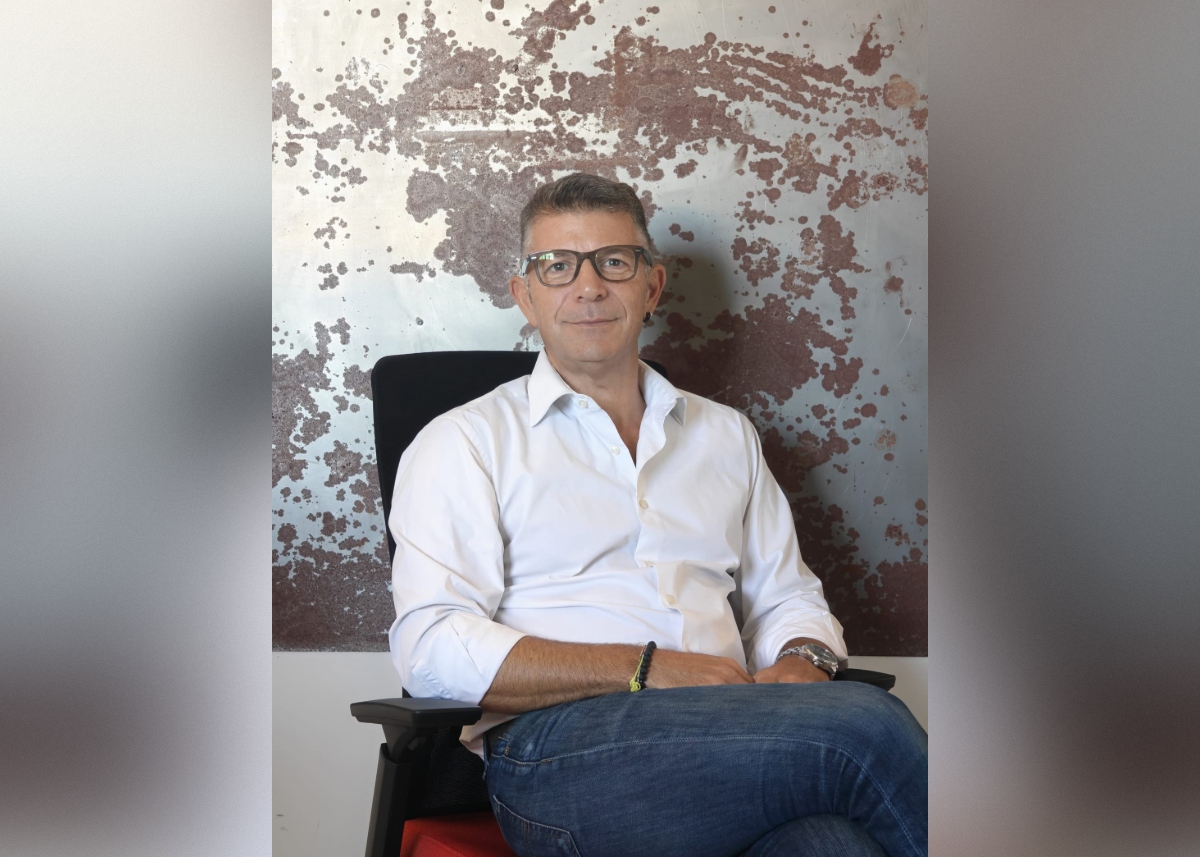
Armstrong said:
This investment allows us to significantly expand our capabilities, from advancing how we measure patient recovery using computer vision and AI-driven assessments, to extending our product into patients’ homes.
Scotland has provided a strong foundation for Bioliberty, offering access to world-class engineering talent and a highly collaborative research environment. This funding will enable us to grow our team in Scotland, create high-value jobs, and continue building technology here that supports better rehabilitation outcomes.
Bioliberty’s technology is already in use at several leading rehabilitation facilities in the United States, where the company opened its Boston headquarters in 2025. The Series A will support continued product development and manufacturing in Scotland — with manufacturing based in Fife — as well as broader commercial expansion in the US market. The company secured an earlier £2.2 million round in 2023 to bring the soft-robotic glove to market.
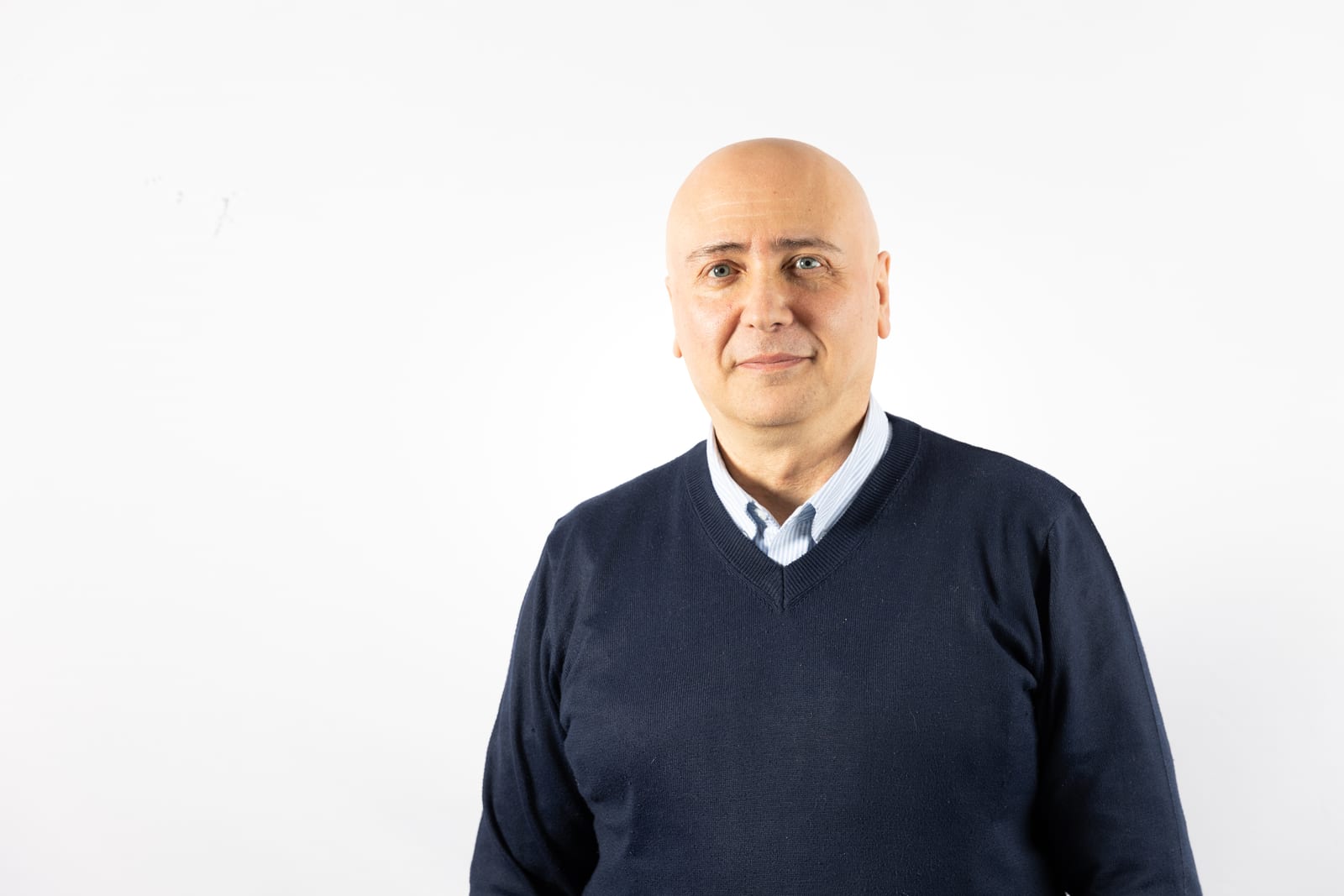
Katharine Fox, Head of Investment at Old College Capital, said:
Bioliberty is an example of world-class engineering from the University of Edinburgh translating into better patient outcomes. Their AI-enabled soft-robotics platform is reshaping rehabilitation by giving clinicians clearer data and patients faster progress, and this funding will scale manufacturing in Scotland while accelerating growth in the U.S.
OCC has backed Bioliberty from the start, and we are proud to continue this support as it grows from a student startup into an international health-tech company.
The raise demonstrates the National Robotarium’s role as a launchpad for commercially viable spinouts at the intersection of AI and hardware — and reflects SNIB’s continued focus on health technology as a vehicle for Scottish economic growth, following precedents such as its £10m commitment to FOR EV. The bank is Scotland’s mission-led development institution and has now backed multiple medtech and robotics ventures to international scale. The wider Edinburgh soft-robotics ecosystem has also drawn international attention through breakthroughs such as the university’s first soft robots that walk straight off the machines that make them.
Scotland’s health-AI cluster has been notably active this spring, with the Aberdeen-led GEMINI breast-cancer AI study and the Stornoway cardiac gene-therapy world first both landing in the same window — underlining a pattern of Scottish science translating into globally relevant clinical outcomes.