



A new five-year research programme, backed by Cancer Research UK and the Bowelbabe Fund, will use molecular analysis of thousands of polyp samples to determine which precancerous growths are likely to progress — and which patients can be spared further colonoscopies.
The £1.75 million programme, announced on 28 April 2026, is jointly led by researchers from the University of Glasgow’s School of Cancer Sciences, Queen’s University Belfast, and the Institute of Cancer Research in London. The Glasgow leads are Professor Joanne Edwards and Dr Stephen McSorley; they are joined by Dr Philip Dunne from Belfast and Professor Trevor Graham from the ICR.
Bowel cancer is the fourth most common cancer in the UK, with more than 40,000 people diagnosed every year. Most cases develop slowly from polyps — small growths in the bowel lining — which are routinely detected through the national Bowel Cancer Screening Programme. Many polyps are harmless and will never progress; others can become cancer if left unmonitored. The problem is that current clinical tools — primarily polyp size and appearance — are a poor guide to which is which.
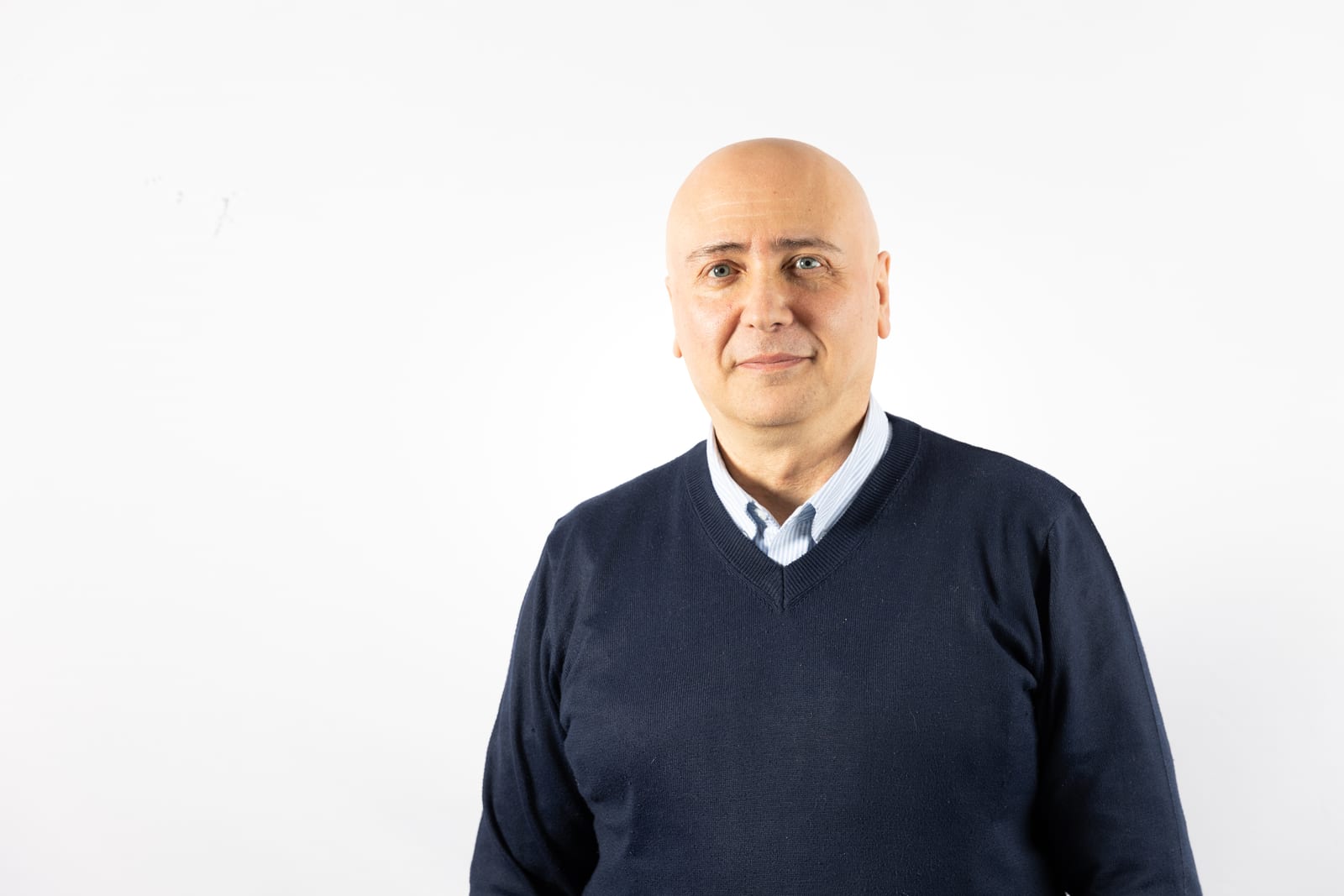
Professor Joanne Edwards, co-lead on the project from the University of Glasgow’s School of Cancer Sciences, said: “By better predicting who is likely to go on to get polyps or bowel cancer in the future, this work will help participants in bowel screening and patients undergoing bowel surveillance by identifying those who do and do not need more colonoscopy tests.”
The significance for Scotland is direct. NHS colonoscopy waiting lists are under sustained pressure, and a more precise risk stratification tool could meaningfully reduce the volume of surveillance procedures required — freeing capacity without compromising safety.
Dr Stephen McSorley, co-lead on the project from the University of Glasgow’s School of Cancer Sciences, added: “We hope that eventually our results will also help clinicians who look after these groups of people to make better decisions about the need for future procedures and so reduce the burden of surveillance on endoscopy waiting lists and the wider health service without compromising patient care.”
Researchers will analyse thousands of polyp samples using advanced molecular technologies — combining molecular biology, pathology, and data analysis — to distinguish lesions that signal higher risk from those that do not. The programme will also build a research resource available to scientists worldwide to accelerate cancer prevention science.
The combination of molecular biology, pathology, and advanced data analysis at this scale is increasingly the engine room of Scottish cancer research. The same toolkit underpins recent Silicon Scotland coverage of TileBio’s £1.6m bet on training an AI to read 2 million NHS pathology slides without human-annotated labels and the Aberdeen-led GEMINI study which found AI lifts breast cancer detection by 10.4% and cuts radiologist workload by a third.
Claire Knight, Senior Health Information Manager at Cancer Research UK, said: “Bowel screening provides an important opportunity for early detection of bowel cancer and precancerous polyps.
“But currently, we don’t always know which patients are most at risk of developing high-risk polyps or cancer in the future.
“This exciting programme will allow researchers to study these polyps in far greater detail than has been possible before with the goal of developing better ways to predict bowel cancer risk and ultimately improve outcomes for patients.”
The Bowelbabe Fund for Cancer Research UK was established to continue the legacy of Dame Deborah James, supporting research and awareness projects aimed at giving more people affected by cancer more time with the people they love.
The bowel-polyp programme sits within a steadily expanding Scottish cancer-research ecosystem. Recent coverage has tracked 3D-printed micro-tumour specialist Carcinotech raising £4.2m and expanding into the US, Cumulus Oncology securing £9m seed financing for cancer drug discovery, and a Scottish PhD researcher harnessing AI to transform skin cancer diagnosis in remote areas — alongside wider Scottish life-sciences breakthroughs such as the world-first cardiac gene therapy patient — a Stornoway man — treated at NHS Golden Jubilee.
Dr Philip Dunne, co-lead from Queen’s University Belfast, said: “This programme brings together expertise from across the UK to study polyps at a scale and depth that hasn’t been possible before. By combining molecular biology, pathology and advanced data analysis, we hope to develop better ways to predict which patients need closer monitoring and which can be reassured, without the need for invasive tests.”