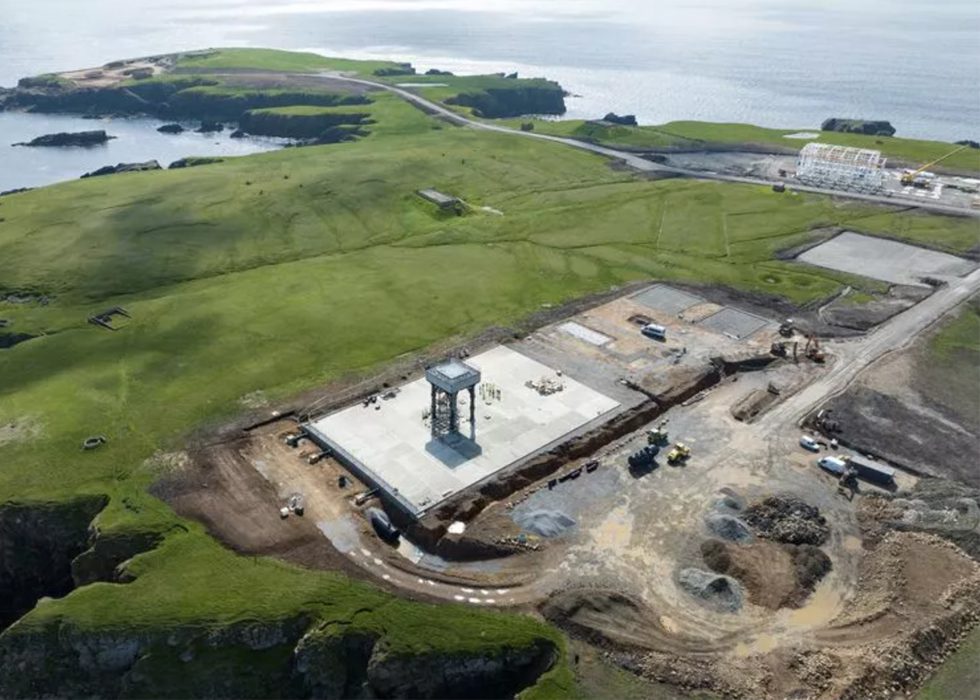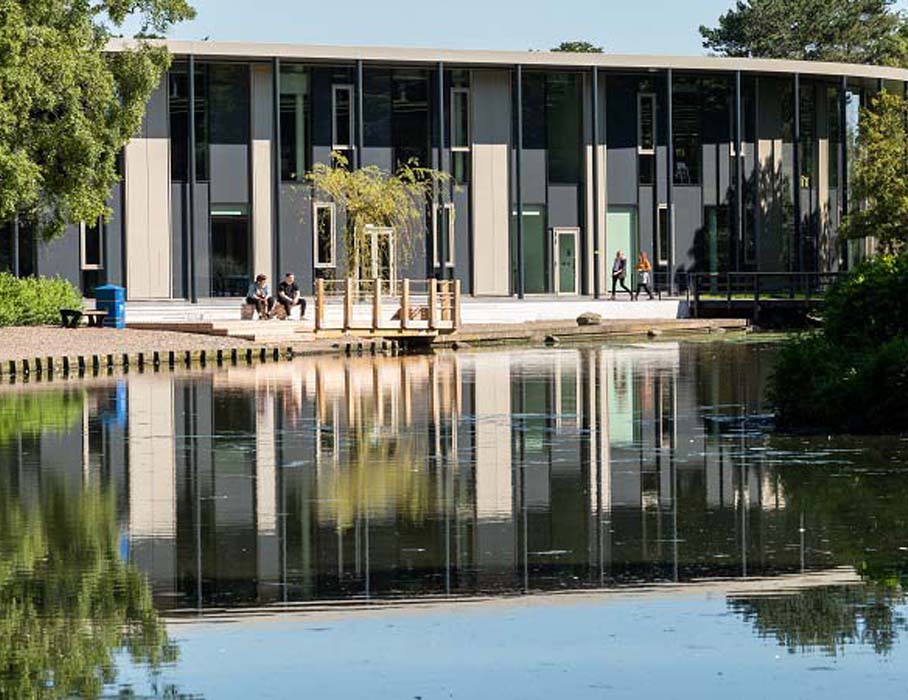



The Scottish government is set to consider a sweeping moratorium on building new data centres, putting a key plank of the UK’s AI infrastructure strategy under fresh scrutiny. Last Sunday the Scottish National party (SNP) national council passed a motion calling for a temporary freeze on all new data centres in Scotland, a move now formally sent to ministers for consideration.
According to the motion text cited in public statements, the moratorium would cover hyperscale data centre planning applications across Scotland until robust guidance for planning authorities and research on environmental and energy impacts had been completed. If adopted, the pause could apply to all data centre projects that have not yet received planning permission, although the precise implementation would ultimately be for the Scottish government to decide.
Campaigners argue that the scale of AI-driven data centre proposals now in the Scottish planning system risks overwhelming the country’s renewable energy capacity. The SNP resolution suggests there are 24 hyperscale data centre projects in various stages of planning in Scotland, with combined electricity demand projected at more than one‑and‑a‑half times the power Scotland uses at peak demand.
Local councillors from constituencies sponsoring the motion have raised concerns about overdevelopment and the impact on communities. Lesley Backhouse, a councillor quoted in reports on the motion, said Scotland’s current data centre plans amounted to “overdevelopment” and were “intrusive and not keeping with the local environment”.
Environmental groups including APRS have welcomed the council’s decision, arguing that governance needs to catch up with the pace of hyperscale AI developments. One campaign statement said: “Since December we have been calling on the Scottish Government to put in place a moratorium on hyperscale AI data centres until their environmental impacts have been fully assessed, and governance can catch up with the speed this is moving.”
Industry and investment voices, however, argue that a blanket halt could prove a serious strategic mistake for Scotland at exactly the moment AI infrastructure is becoming a competitive advantage. Robert Eadie, data centre director at Rimkus, said: “A moratorium on hyperscale data centres would send a concerning signal to the market that Scotland is stepping back from supporting the infrastructure that underpins the modern economy. Investors looking to deploy capital into digital infrastructure have choices, and if projects cannot proceed here, they will simply move elsewhere in the UK or Europe.”
Sandy Begbie, chief executive of Scottish Financial Enterprise, has also argued that these are decisions “of national importance for economic growth, resilience and security”, warning that Scotland risks mishandling infrastructure that other countries are actively trying to attract.
Political backing for a pause extends beyond internal SNP processes. The Scottish Greens have already called for a halt to what they describe as a “big tech data centre land grab”, warning that granting all 24 hyperscale projects could add as much as 150% to peak energy demand and “stymie any hope of meeting national climate targets”.
Patrick Harvie MSP, the party’s economy spokesperson, said: “Some data centres are necessary for the digital services we all rely on, and for socially useful purposes such as health research. But what Scotland is facing now is on a far bigger scale, and involves speculative land and energy grabs from big tech companies.”
He added: “We cannot allow renewable energy that should be helping to cut bills, heat homes and decarbonise transport to be swallowed up by speculative developments designed to serve the profits of global tech giants.”
The proposed moratorium sits alongside the Scottish Government’s wider AI policy framework, set out in “Scotland’s Artificial Intelligence Strategy 2026–2031”. That strategy commits to harnessing AI responsibly to deliver sustainable value across the economy, including a dedicated “Data Centres & Infrastructure” layer focused on providing resilient, environmentally friendly infrastructure to support AI development and innovation.
An SNP spokesperson quoted in sector coverage said the party recognised the environmental and energy resource concerns around hyperscale AI data centres and confirmed that ministers were reviewing possible actions. “The Scottish government is currently reviewing what action can be taken to help balance the rapid expansion of such centres with our national energy and climate goals – including a potential pause on applications,” the spokesperson said.
For Scottish AI firms, cloud providers and data‑intensive tech businesses, the outcome of the government’s review will determine how far the country can reconcile ambitions for world‑class AI infrastructure with local planning, energy and climate constraints. While a temporary pause would not shut off access to cloud services overnight, founders building data‑intensive products may need to pay closer attention to where compute is provisioned, how energy use is accounted for, and whether future Scottish‑hosted capacity could face tighter constraints than anticipated when they first modelled their scaling strategies.