

A quaint Scottish fishing village in Fife is set to become the chilling backdrop for the latest instalment in the globally recognised Silent Hill horror series.
Glasgow-based developer Screen Burn Interactive, formerly known as No Code, has revealed that their upcoming title, Silent Hill: Townfall, draws its inspiration directly from the distinctive landscape and atmosphere of St Monans in the East Neuk.
The new game, developed by Screen Burn Interactive and co-published by Japanese multinational Konami Digital Entertainment and Annapurna Interactive, is slated for release in 2026 for PlayStation 5 and Windows PC. This collaboration marks a significant moment for the franchise, which has collectively sold over 14 million copies worldwide since its debut in 1999. The recent resurgence of the Silent Hill series has been buoyed by successful remakes, including the critically acclaimed Silent Hill 2 remake, which alone has shipped over 2.5 million units.
Silent Hill: Townfall introduces players to the fictional town of St Amelia, where protagonist Simon Ordell navigates a locale described as “seemingly abandoned but not at rest.” Jon McKellan, co-founder of Screen Burn, explained that while they initially considered a more generic Northern European setting, a strong desire for authenticity led them to a Scottish location. “There was a drive to create something that felt authentic to us, and it kind of felt natural to bring it home,” McKellan stated in a video on the Silent Hill YouTube channel.
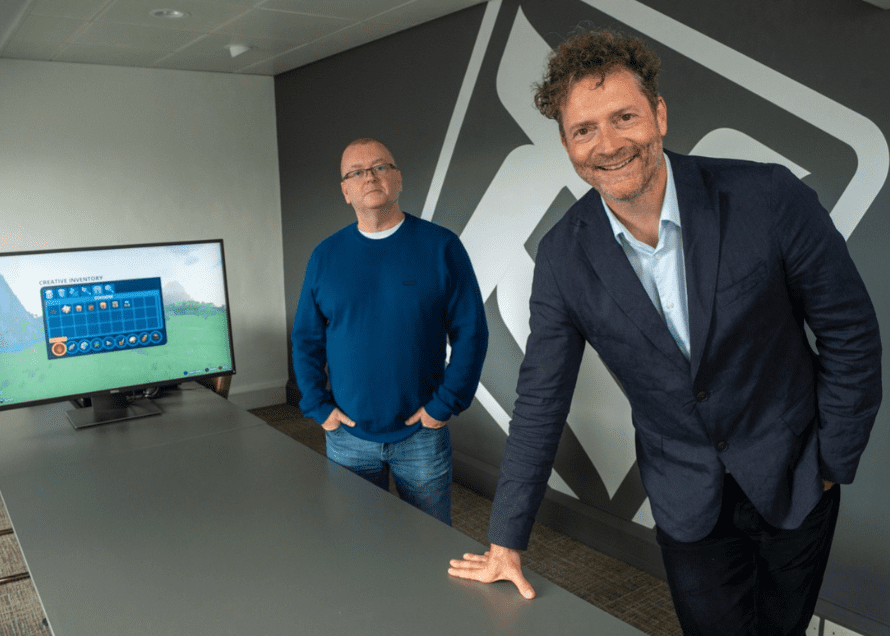
Screen Burn Interactive, founded in 2015 by Jon McKellan and Omar Khan, has garnered a strong reputation for narrative-driven horror and sci-fi experiences. Operating as No Code until its rebrand in July 2025, the studio achieved critical acclaim for titles such as Stories Untold (2017) and Observation (2019). Observation famously won the BAFTA Award for Best British Game in 2020, making Screen Burn the first Scottish development studio to achieve this honour. With a team of around 30 people, Townfall represents their “biggest and most ambitious game yet,” a significant undertaking that aims to blend their unique storytelling with the established lore of Silent Hill.
The developers meticulously studied the real-world St Monans, a historic fishing village on the Fife Coastal Path with a population of approximately 1,100 residents, to imbue St Amelia with a palpable sense of place. McKellan emphasised the importance of recreating the sensory experience of the location. “It’s the smell and the wind and the sound of the place, all of that together is what you’re trying to recreate,” he said, highlighting how the village’s isolation served as a key narrative element. “When I started to write the story about what this town was, what happened to this town, the isolation was a big factor. There’s like an existential dread that comes with that. Silent Hill has always had a sense of not being able to leave the town, and face why you’re there.”
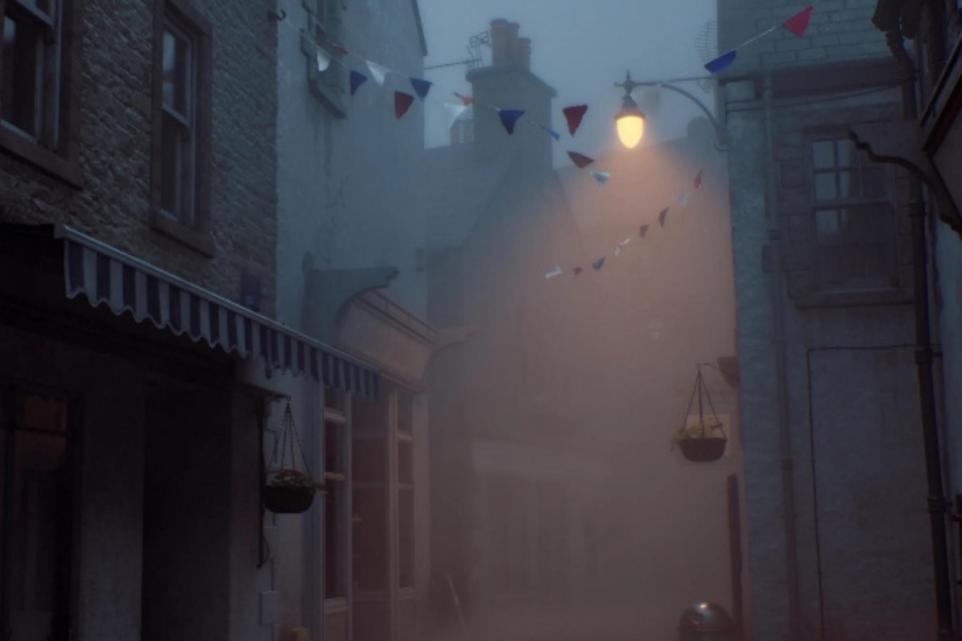
A crucial atmospheric element being faithfully recreated is the “haar,” a cold and dense sea fog common to the East Coast of Scotland and North-East England, particularly between April and September. This natural phenomenon, which occurs when warm, moist air moves over the colder North Sea, significantly reduces visibility and is being used in the game to obscure elements from players.
Art Director Paul Abbott noted that the game’s foggy environment reminded him of his own upbringing in a small fishing village. “It’s a beautifully epic, grey, drizzly environment and we’re bringing that to the game,” he remarked, adding that recognisable features like winding alleyways and pier textures have been painstakingly recreated.
A trailer for the game showcases the virtual fishing village enveloped in this characteristic haar, complete with lobster boxes, bobbing boats, and unsettling placards proclaiming “let the ferries in” and “this town is ours.”
McKellan expressed the team’s profound appreciation for the opportunity, calling it a “genuine honour” to contribute to the esteemed franchise. “It’s not an opportunity we ever thought we’d get, but it’s one we knew we all wanted right away,” he concluded. The project underscores Glasgow’s burgeoning influence in the global games development sector, positioning a local studio at the forefront of delivering a major entertainment title to a worldwide audience.